When extreme heat arrives in southern Alberta, protecting yourself and your family starts with three priorities: recognizing the warning signs of heat illness, knowing where to find air-conditioned relief, and adjusting your routine before symptoms hit.
Calgary and surrounding communities face increasing heat events each summer, and what might feel manageable at first can turn dangerous fast. Heat exhaustion sneaks up on you. One hour you’re working in the yard feeling warm, the next you’re dizzy, nauseous, and struggling to think clearly. Older adults, young children, outdoor workers, and anyone without reliable air conditioning face the highest risk during multi-day heat waves.
The good news? Most heat-related illness is completely preventable when you know what to do. The 10 strategies ahead give you a practical playbook for staying safe when temperatures spike, whether you’re dealing with a short hot snap or an extended heat warning. You’ll learn where to go when your home gets too hot, how to spot the early signs that someone needs help, and which daily habits make the biggest difference.
Southern Alberta summers are getting hotter. A solid heat plan isn’t about fear, it’s about being ready so you can still enjoy summer while keeping everyone in your household safe and comfortable.
Understanding Extreme Heat in Southern Alberta
Extreme hot weather isn’t just uncomfortable. It’s a serious health threat that can lead to heat stroke, organ damage, and even death if you don’t take precautions. When temperatures climb well above seasonal norms and stay elevated for days, your body struggles to cool itself effectively, putting enormous strain on your cardiovascular system and vital organs.
Alberta’s weather alert system helps protect you by providing advance notice. Authorities aim to issue heat warnings 18-24 hours before an extreme heat event starts, giving you time to prepare your home and make plans. These warnings cover large regions, stretching from Calgary west to Banff and Canmore, and extending throughout northern, central and southern Alberta, including Edmonton and Red Deer.
The timing matters because once extreme heat arrives, your options narrow. Your body loses its ability to regulate temperature when you’re already overheated, and heat-related illnesses can develop quickly. Children, seniors, people with chronic health conditions, and those without adequate cooling face the highest risk. That advance warning window is your opportunity to find ways to keep cool before the hot weather starts, stock up on water, identify air-conditioned spaces you can access, and check in with vulnerable neighbours who might need help preparing.
10 Ways to Protect Yourself from Extreme Heat
1. Monitor Local Weather Forecasts and Heat Alerts
Staying ahead of extreme heat starts with knowing it’s coming. Heat warnings in Alberta are issued 18 to 24 hours before conditions peak, giving you crucial time to prepare. Tune into Calgary Now radio throughout the day for updates on developing heat events across southern Alberta. Local forecasts will tell you when temperatures are expected to soar and how long the heat will last.
Don’t wait for the thermometer to climb before taking action. Check weather alerts each morning during summer months, especially if forecasters mention building high pressure systems. Environment Canada’s heat warnings cover specific regions, so pay attention when alerts mention Calgary, Red Deer, or other nearby communities. Your phone’s weather app can send push notifications, but radio provides context about what the heat means for your specific area and when you should adjust your plans.
2. Visit Emergency Cooling Centres and Public Spaces
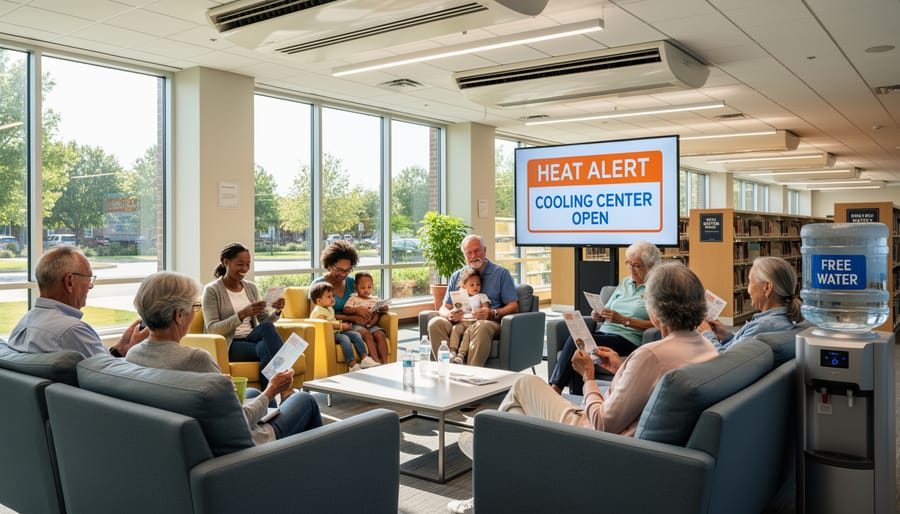
When extreme heat hits southern Alberta, emergency cooling centres become essential refuges. First Nations and local governments throughout the region open these facilities during heat events, providing safe spaces with air conditioning for anyone who needs relief. You won’t always find these centres operating year-round, they’re activated specifically when heat warnings are issued.
Beyond official cooling centres, take advantage of Calgary’s everyday air-conditioned spaces. Public libraries offer free access and comfortable environments for extended stays. Shopping malls provide hours of climate-controlled browsing, and you’re under no obligation to buy anything. Recreation centres often have cool indoor areas, though you’ll want to call ahead to confirm public access during heat events.
Don’t wait until you’re overheated to locate these options. Scout out the nearest air-conditioned public buildings now, so you know exactly where to go when temperatures spike. If your home can’t stay cool enough, spending even a few hours in these spaces can prevent serious heat illness.
3. Prepare Your Home Before Hot Weather Starts
Getting your home ready before extreme temperatures hit makes a real difference in how comfortable you’ll stay. Start by blocking direct sunlight during the hottest part of the day, close curtains, blinds, or shades on south and west-facing windows in the morning before temperatures climb. If you’re planning home improvements, lighter exterior colours reflect more heat, which could be worth considering when budgeting for home paint costs down the road.
Run ceiling fans counter-clockwise to push air downward and create a cooling breeze. If you don’t have air conditioning, position box fans in windows strategically: place one facing outward in a window on the hot side of your home to push warm air out, and another facing inward on the shaded side to draw cooler air in. At night when temperatures drop, open windows on opposite sides of your home to create cross-ventilation.
Plan ahead by identifying the coolest room in your house where you can spend time during peak heat hours. Avoid using heat-generating appliances like ovens and dryers during the afternoon, save laundry and cooking for early morning or evening when it’s cooler.
4. Stay Hydrated Throughout the Day
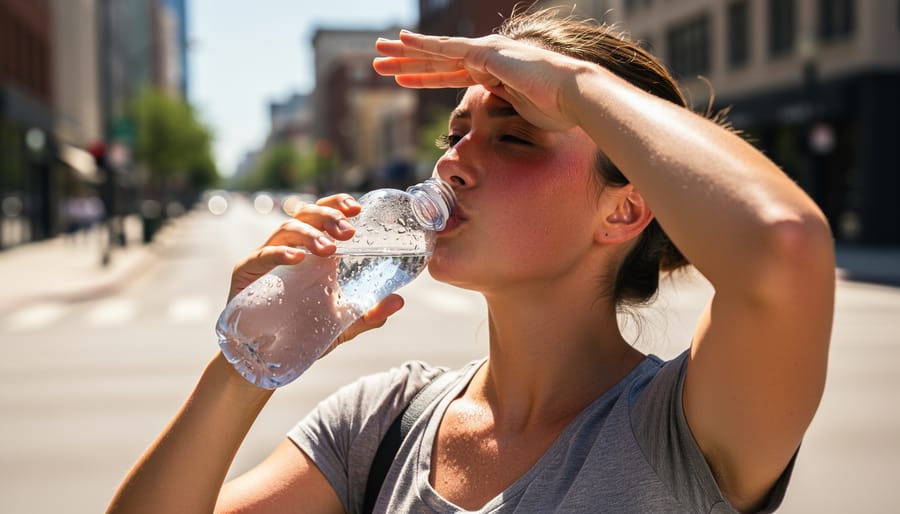
During extreme heat, your body loses water faster than you might realize. Drink water steadily throughout the day rather than waiting until you feel thirsty, by that point, you’re already on your way to dehydration. Keep a water bottle handy and take sips every 15 to 20 minutes, especially if you’re outdoors or active.
Skip alcohol and caffeine when temperatures soar. Both act as diuretics, making you lose fluids faster and working against your efforts to stay cool. This matters even more than worrying about fuel and heating costs during winter, staying hydrated is your first line of defense against heat illness.
Watch for dehydration warning signs: dark urine, dizziness, dry mouth, headaches, or feeling unusually tired. If you notice these symptoms, move to a cool spot immediately and drink water slowly. Seniors and children need extra attention since they’re less likely to recognize when they’re becoming dehydrated.
5. Limit Outdoor Activities During Peak Heat
When the mercury climbs, timing is everything. Schedule outdoor work and exercise for early morning before 10 a.m. or after 6 p.m. when temperatures drop. If you must be outside during midday heat, take breaks every 20 to 30 minutes in shaded areas. Calgary’s intense summer sun peaks between noon and 4 p.m., making these hours particularly dangerous for strenuous activity.
Listen to your body. If you feel dizzy, nauseous, or unusually tired, stop immediately and find a cool place to rest. Outdoor workers should rotate tasks with indoor duties when possible, and athletes should cut workout intensity by half during extreme heat events. Even routine yard work can overwhelm your body’s cooling system when temperatures soar into the high 30s.
6. Dress Appropriately for the Heat
Your clothing choices make a real difference when temperatures soar. Opt for loose-fitting garments in light colors like white, beige, or pastels, they reflect sunlight rather than absorbing it, keeping you several degrees cooler than dark fabrics. Natural materials like cotton and linen allow your skin to breathe and help sweat evaporate, which is how your body cools itself.
Don’t forget sun protection beyond just clothing. A wide-brimmed hat shields your face and neck from direct rays, while quality sunglasses protect your eyes from UV damage. Apply sunscreen to exposed skin even on cloudy days, sunburn damages your skin’s ability to release heat and increases dehydration risk. If you’re working outdoors, consider moisture-wicking athletic fabrics designed to pull sweat away from your body. Light layers let you adjust as you move between air-conditioned spaces and the heat outside.
7. Check on Vulnerable Neighbours and Family
Older adults, young children, and people with chronic health conditions face the highest risk during extreme heat. Check in on elderly neighbours at least once a day during a heat warning, especially those living alone. A quick phone call or visit can help you spot early signs of heat stress, and it lets them know someone cares. Make sure they have access to cool spaces and plenty of water.
If you have family members with heart disease, respiratory problems, or mobility issues, help them plan ahead. Ensure they know where the nearest cooling centre is and have a way to get there. Parents should never leave kids or pets in parked vehicles, even for a few minutes. During heat warnings across Calgary and southern Alberta, these simple acts of community care can literally save lives.
8. Recognize Heat Illness Symptoms
Knowing the difference between heat exhaustion and heat stroke can save a life. Heat exhaustion shows up as heavy sweating, weakness, dizziness, nausea, and a fast pulse. Your skin might feel cool and clammy even though you’re overheating. If you notice these signs, move to a cool place immediately, sip water slowly, and loosen tight clothing.
Heat stroke is a medical emergency. Warning signs include a body temperature above 40°C, hot and dry skin (sweating has stopped), confusion, slurred speech, seizures, or loss of consciousness. Someone with heat stroke needs emergency help right away, call 911 without delay. While waiting for paramedics, move the person to shade or air conditioning and try to cool them with wet cloths or a cool bath if they’re alert enough.
Don’t wait to see if symptoms improve on their own. Heat stroke can cause permanent damage or death within minutes.
9. Keep Pets Safe During Extreme Heat
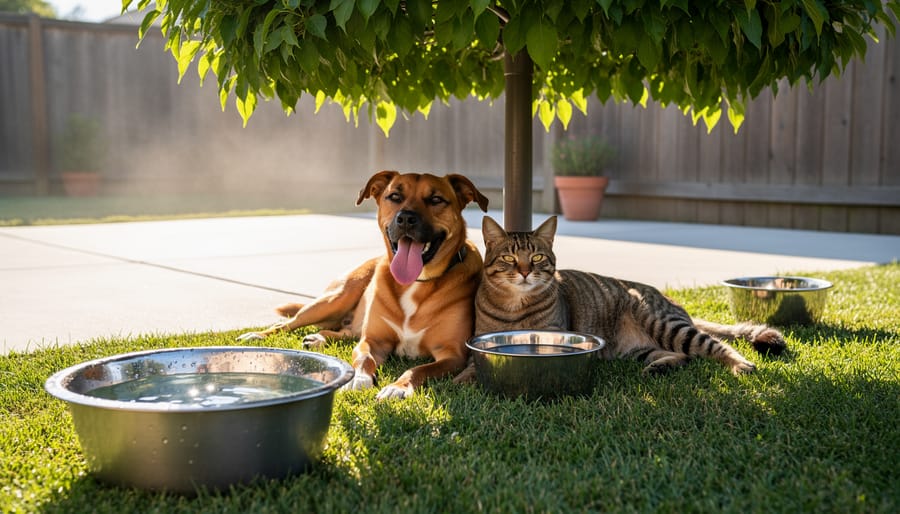
Your pets feel extreme heat just as intensely as you do, and they can’t sweat to cool down. Always provide fresh water in multiple locations and ensure they have access to shade throughout the day. Never leave animals in parked vehicles, where temperatures climb dangerously fast even with windows cracked. Hot pavement can burn paw pads within seconds, so test surfaces with your hand before walks and stick to grassy areas during the coolest parts of morning or evening. Watch for signs of overheating like excessive panting, drooling, or lethargy. Dogs and cats can suffer heat exhaustion too, and heat stroke can be fatal if not treated immediately. Bring pets indoors during peak afternoon heat whenever possible.
10. Have a Backup Plan If Your Home Gets Too Hot
Even if you’ve followed every tip, sometimes homes just can’t stay cool enough during extreme heat. This is when you need a backup plan, and it’s better to figure one out now rather than when you’re already overheating.
Start by identifying air-conditioned spaces you can reach easily. Libraries, shopping centres, and movie theatres all offer relief during business hours. Save the addresses and hours of your nearest options in your phone. During severe heat events, local governments and First Nations communities often open emergency cooling centres specifically for residents who need them, so check your municipality’s website or call their information line to find out what’s available.
If you don’t have reliable transportation, know your public transit routes to cooling locations or arrange a ride with a neighbour or friend ahead of time. Pack a small bag with essentials, water bottle, medications, phone charger, and any items you might need for a few hours away from home.
Don’t wait until you’re feeling ill to leave. If your home feels dangerously hot despite your efforts, head to a cooler space. There’s no shame in seeking relief, cooling centres exist precisely because staying in an overheated home can be life-threatening.
Where to Find Cooling Relief in Calgary and Southern Alberta
During extreme heat events, Calgary and southern Alberta communities open their doors to provide relief from dangerous temperatures. Your first stop should be checking with your local municipality’s website or calling their information line, as cities and towns across the region activate emergency cooling centres when heat warnings are in effect. These spaces are specifically designated to offer refuge during extreme weather, and they’re usually free to access.
You’ll find reliable air-conditioned relief at these public locations:
- Public libraries throughout Calgary and surrounding communities
- Shopping centres and indoor malls
- Recreation centres and community facilities
- Emergency cooling centres opened by local governments during heat events
- First Nations community centres in affected areas
Libraries are particularly valuable during heat waves because they welcome everyone regardless of whether you’re there to borrow books or simply cool down. Most operate extended hours and don’t require you to make a purchase to stay. Shopping centres work the same way, you can walk the air-conditioned corridors, sit in food courts, or browse stores at your own pace.
If you don’t have reliable cooling at home, scout out these locations before hot weather hits so you know exactly where to go when temperatures spike. Keep the addresses and hours handy, and consider mapping out the closest options to your home or workplace. For those without transportation, many cooling centres are located on transit routes or within walking distance of residential neighbourhoods.
Stay Cool, Stay Safe This Summer
Extreme hot weather doesn’t have to put your health at risk if you take the right precautions. By staying informed about heat warnings through Calgary Now radio and local forecasts, preparing your home before temperatures spike, and knowing where to find cooling relief when you need it, you can protect yourself and your loved ones throughout the summer months. The strategies we’ve covered, from staying hydrated and timing outdoor activities wisely to checking on vulnerable neighbours, work together to keep southern Alberta communities safe during heat events.
How much advance notice do heat warnings provide?
Heat warnings are typically issued 18-24 hours before an extreme heat event begins, giving you time to prepare your home and make plans for staying cool.
What should I do if I don’t have air conditioning at home?
Spend time in air-conditioned public spaces like libraries, shopping centres, or emergency cooling centres that local governments open during extreme heat. Planning ahead helps you identify these locations before you need them.
What are the warning signs of heat stroke?
Heat stroke symptoms include high body temperature, confusion, rapid pulse, and loss of consciousness. This is a medical emergency requiring immediate help.
Who is most at risk during extreme heat?
Seniors, young children, people with chronic health conditions, and those working outdoors face higher risks during heat events and need extra monitoring and support.
Remember that extreme heat affects everyone differently, and preparing for hot weather is just as important as managing other aspects of the cost of living in Calgary and southern Alberta. Share these safety tips with family, friends, and neighbours, especially those who might be more vulnerable to heat-related illness. Together, we can build a safer, more resilient community ready to handle whatever the summer brings.
selection criteria
We chose these ten strategies based on official guidance from Alberta’s heat warning system and feedback from Calgary residents during previous extreme weather events. Each tip addresses a specific aspect of heat safety, from preparation through emergency response.
The order moves from prevention to action. Monitoring weather alerts comes first because heat warnings give you 18 to 24 hours’ notice, letting you prepare before temperatures spike. Home preparation and hydration follow because these steps work best when you start early. Mid-list items cover daily adjustments like timing outdoor activities and dressing appropriately.
We prioritized community care and health awareness in items seven and eight because vulnerable populations face the highest risk during heat events. The final recommendations tackle backup plans and pet safety, which people often overlook until they’re needed.
Each strategy appears on this list because it directly reduces heat-related illness risk. We excluded tips that sound helpful but don’t match how extreme heat actually affects people in southern Alberta’s climate. For instance, we skipped advice about beach safety since Calgary sits hours from any ocean, though we did include practical alternatives like visiting air-conditioned public spaces.
The selection also considers Calgary’s unique challenges. When extreme heat coincides with commuting delays or other disruptions, you need multiple cooling options. That’s why we emphasize knowing several cooling locations in advance rather than relying on a single plan.
items
Stay informed by tuning into Calgary Now radio for up-to-date weather forecasts and heat warnings. Alberta’s alert system issues heat warnings 18 to 24 hours before extreme conditions arrive, giving you time to prepare. Check forecasts daily during summer months and pay attention to temperature predictions, especially when readings are expected to climb above 29°C for extended periods.
When extreme heat hits, First Nations and local governments across southern Alberta open emergency cooling centres in affected communities. Libraries, shopping malls, and community centres offer air-conditioned relief during business hours. Call ahead to confirm hours and locations, or check your municipality’s website for a list of cooling stations near you.
Block out sunlight by closing blinds and curtains during the hottest part of the day, typically between noon and 4 p.m. Place fans near windows at night to pull in cooler air, and consider creating cross-ventilation by opening windows on opposite sides of your home. Stock up on water and limit heat-generating activities like cooking with your oven.
Drink water regularly, even before you feel thirsty. Keep a reusable water bottle with you and aim for at least eight glasses daily, more if you’re active outdoors. Avoid alcohol and caffeinated drinks, which increase dehydration. Watch for signs of dehydration like darker urine, dizziness, or dry mouth.
Schedule outdoor work and exercise for early morning or evening when temperatures drop. If you must be outside during peak heat, take frequent breaks in shaded areas. Construction workers, landscapers, and others who work outdoors should rest every 20 to 30 minutes and watch for symptoms of heat illness in themselves and coworkers.
Choose light-colored, loose-fitting clothing made from breathable fabrics like cotton or moisture-wicking materials. Wear a wide-brimmed hat to shade your face and neck, and apply broad-spectrum sunscreen with SPF 30 or higher every two hours when outdoors. Sunglasses protect your eyes from UV rays and reduce strain in bright conditions.
Seniors, young children, and people with chronic health conditions face higher risks during extreme heat. Call or visit elderly neighbours daily, especially those living alone. Ensure they have access to air conditioning or cooling centres, plenty of water, and someone to contact in an emergency.
Heat exhaustion symptoms include heavy sweating, weakness, nausea, headache, and pale, clammy skin. Move to a cool place, drink water, and rest. Heat stroke is life-threatening and requires immediate emergency help. Warning signs include hot, dry skin (or still sweating profusely), confusion, rapid pulse, and body temperature above 40°C. Call 911 right away if you suspect heat stroke.
Provide pets with constant access to fresh water and shaded areas. Never leave animals in parked vehicles, where temperatures can reach deadly levels within minutes. Walk dogs early in the morning or late evening to avoid hot pavement that can burn their paws. Watch for excessive panting, drooling, or lethargy as signs of overheating.
Identify nearby cooling locations in advance, including libraries, community centres, and shopping malls. If your home lacks air conditioning and becomes unbearable, don’t wait until you feel unwell to seek relief. Pack a small bag with water, snacks, medications, and entertainment for a few hours away from home.