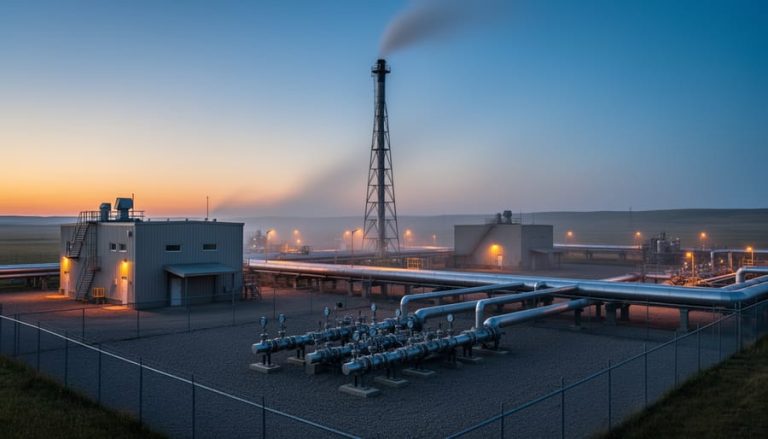
International news matters to Calgary residents when it reshapes energy markets, shifts immigration policy, triggers trade disputes, or sends ripples through industries that employ your neighbors. Right now, Prime Minister Mark Carney has called six federal byelections for December 7 in Quebec, Ontario, and Saskatchewan, while the COP31 climate conference heads to Turkey next week, two developments with direct implications for southern Alberta’s energy sector, agricultural exports, and economic outlook.
You’re not looking for generic headlines from Paris or Tokyo. You want the stories that change gas prices at the pump, affect the value of the loonie in your wallet, influence whether your cousin’s immigration application gets processed, or determine if the Flames can sign that European prospect. World events filter through Canada differently than they do through Washington or London, and they filter through Calgary differently still.
This is where national politics, international diplomacy, and your daily life intersect. Federal byelection results can shift the balance of power in Ottawa, affecting everything from carbon pricing to pipeline approvals. Climate negotiations in Turkey will set the framework for regulations that Alberta producers face for years. Entertainment news from Canadian artists breaking through globally reminds us that our cultural exports carry weight, too.
The challenge is cutting through the noise to find what actually matters today, not last week’s recycled wire stories.
What Changed: Latest International Developments Affecting Canada

International headlines are no longer distant noise, they’re landing directly in our wallets, workplaces, and communities here in southern Alberta. Over the past weeks, a trio of developments has reshaped how Canadians experience global events, from energy markets to political representation to climate commitments that affect our largest industries.
Prime Minister Mark Carney’s call for six federal byelections across Quebec, Ontario, and Saskatchewan has put political power dynamics front and centre. Voters in these ridings head to the polls December 7, and the outcomes could alter the parliamentary landscape that determines policy affecting western provinces. For Calgary residents, this matters because shifts in Ottawa’s balance change how Alberta’s concerns, from resource development to equalization payments, get heard and addressed.
Meanwhile, Turkey prepares to host the COP31 climate conference next week, where international negotiators will hammer out agreements that directly affect Alberta’s energy sector. These aren’t abstract commitments. They translate into regulatory frameworks, investment decisions, and the economic future of communities built around resource industries. Calgary workers watching these talks aren’t being paranoid, they’re being practical about how global climate policy shapes local job markets.
Energy market fluctuations continue rippling through our economy, touching everything from household budgets to provincial revenues that fund schools and hospitals. International tensions, production decisions in distant capitals, and shifting demand patterns all feed into the price volatility that makes planning difficult for businesses and families alike.
Key International Developments Calgary Residents Are Following
1. COP31 Climate Conference in Turkey: What It Means for Alberta
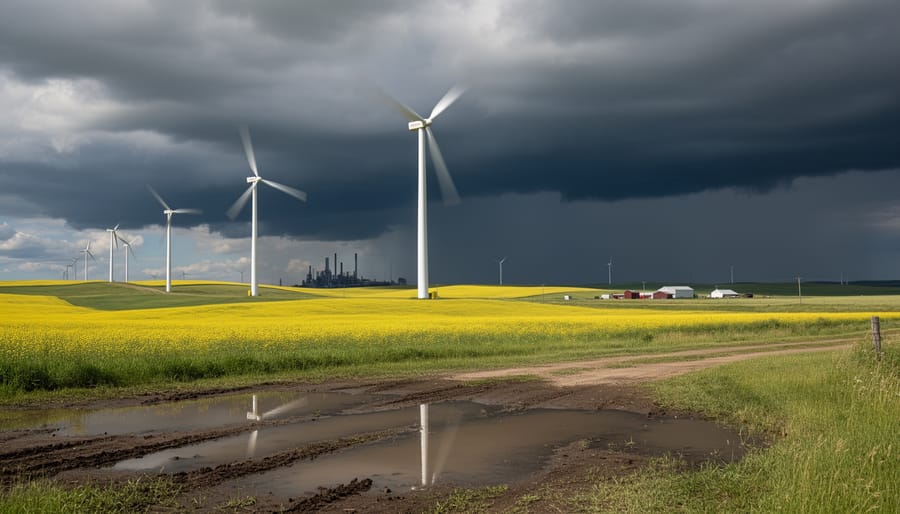
The COP31 in Turkey next week brings global climate policy negotiations that will have direct consequences for Calgary’s economy and workforce. As world leaders gather to set new emissions targets and climate finance commitments, Alberta’s energy sector faces potential new regulations that could reshape how oil and gas operations function in the coming years.
For Calgary residents, especially those working in energy, the outcomes matter because international climate agreements influence federal policy decisions. Stricter carbon reduction targets could accelerate the transition away from traditional fossil fuels, affecting job security and investment in the sector. At the same time, new funding mechanisms for clean technology could open opportunities in carbon capture, hydrogen production, and renewable energy projects that Alberta companies are positioning to lead.
- Revised global emissions reduction targets that may affect Alberta’s oil sands operations and export markets
- Climate finance agreements that could fund carbon capture and clean tech projects in the province
- Carbon border adjustment mechanisms that would impact the competitiveness of Alberta energy exports
- Technology transfer provisions affecting Alberta’s ability to develop and commercialize emission reduction innovations
Watch for announcements about carbon pricing frameworks and whether Canada commits to more aggressive 2035 targets. These decisions will shape provincial policy debates and determine which energy projects move forward. If you work in the sector or your business depends on it, the Turkey summit could influence your next five years more than any single piece of provincial legislation.
2. Federal Byelections Signal Political Shifts Nationwide
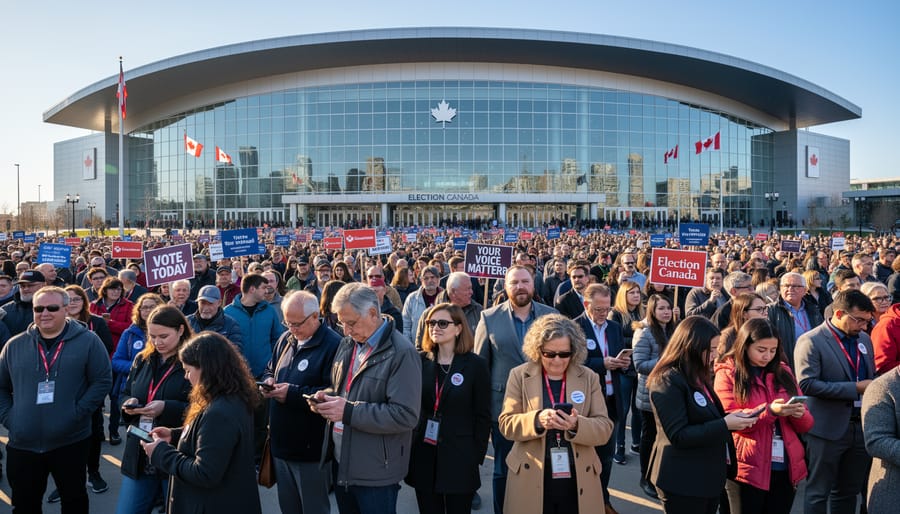
Prime Minister Mark Carney’s decision to call six federal byelections has set the stage for a December showdown that could reshape Parliament’s balance of power. Byelections on December 7 will see voters in ridings across Quebec, Ontario, and Saskatchewan head to the polls in what political watchers are calling a crucial test of the government’s standing nationwide.
For Calgary residents and western Canadians, these races carry particular weight. Saskatchewan’s involvement means prairie voices will directly influence Parliament’s composition at a time when energy policy, agricultural trade, and regional economic concerns dominate federal discussions. The outcomes could strengthen or weaken western representation in Ottawa, affecting how quickly our priorities get heard on issues from pipeline approvals to carbon pricing frameworks.
The timing matters too. With six seats in play simultaneously, any shift in party standings could alter the government’s ability to advance legislation or force new coalition dynamics. If opposition parties gain ground, expect tougher negotiations on bills affecting resource development and interprovincial trade, topics that hit home for Alberta’s economy.
Watch how candidates in these ridings talk about western alienation and energy sector support. Their messaging will signal whether federal parties are serious about addressing Calgary’s concerns or just paying lip service during campaign season. The results will tell us if Ottawa’s hearing southern Alberta loud and clear.
3. International Entertainment Stories with Canadian Connections
Canadian artists continue making waves on the global stage, with several developments connecting our homegrown talent to international audiences. The streaming wars have become particularly interesting for those following Canadian film and television, as major platforms compete for content featuring Canadian creators both in front of and behind the camera.
International film festivals remain crucial launching pads for Canadian productions seeking worldwide distribution. When our filmmakers gain recognition at these events, it often translates into broader opportunities for Alberta’s growing screen industry. Calgary residents interested in entertainment careers should watch how these international partnerships create local job opportunities in production, post-production, and creative services.
Cross-border collaborations between Canadian production companies and international studios have intensified, with Alberta’s competitive tax credits and diverse filming locations attracting foreign productions. These partnerships bring investment dollars into our province while giving local crew members experience on major international projects. The spillover effect reaches beyond the obvious, hotels, restaurants, and equipment rental companies all benefit when global productions choose Calgary as their base.
Music streaming data shows Canadian artists maintaining strong international followings, particularly in markets where cultural exports have traditionally performed well. For southern Alberta musicians and industry professionals, understanding these global trends helps inform career decisions and collaboration opportunities. The entertainment landscape has shifted dramatically, making international success more accessible than ever for talented Canadians willing to navigate the digital marketplace.
Why These Stories Matter to Southern Alberta
International developments shape daily life in southern Alberta in ways that might not be obvious at first glance. When COP31 convenes in Turkey next week, the discussions won’t stay confined to conference rooms, decisions made there will directly influence Alberta’s energy sector, potentially affecting thousands of jobs from Calgary to Fort McMurray. If global climate policy tightens emissions targets or accelerates the transition away from fossil fuels, our province faces both challenges and opportunities in diversifying our economy while supporting workers whose livelihoods depend on oil and gas.
The December 7 federal byelections in Quebec, Ontario, and Saskatchewan matter here too. Though none of the six ridings are in Alberta, the results will shift the balance of power in Parliament at a time when western representation feels more crucial than ever. Policy decisions on pipelines, carbon pricing, and federal transfers all hinge on which parties gain or lose influence, and those votes directly impact the cost of living in Calgary through energy prices, tax policy, and economic programs.
Trade relationships forged or fractured on the world stage hit home when they affect what we pay for groceries, whether international students keep choosing our universities, and how strong the loonie is when you book that winter vacation. Even entertainment stories matter, when Canadian talent lands international streaming deals or our film crews work on global productions, it strengthens our cultural sector and creates jobs right here in Calgary. These aren’t distant headlines. They’re threads woven into the fabric of our community, influencing everything from dinner table conversations to decisions made in boardrooms across southern Alberta.
What to Watch: Upcoming International Events on Canada’s Radar
Beyond the immediate stories shaping headlines this week, several patterns deserve your attention in the months ahead. Watch for ongoing climate negotiations following next week’s COP31 conference in Turkey, outcomes there will ripple through Alberta’s energy sector well into 2027. The December 7 federal byelections in Quebec, Ontario, and Saskatchewan mark just one data point in a shifting political landscape; broader trends in federal-provincial relations and western representation will unfold gradually through policy debates and budget decisions.
Rather than waiting for breaking news alerts, build a routine for staying informed. Major Canadian broadcasters like CBC Calgary and Global News Calgary offer daily news roundups that connect international developments to local impact. Their websites provide up-to-date coverage you can check at your convenience. When you catch radio presenters discussing international stories on Calgary Now, call in with questions about local implications, how might trade disputes affect jobs here, or what do climate agreements mean for our energy workers?
How do I know if an international story will affect my community?
Look for connections to Alberta’s key industries, energy, agriculture, technology, and watch whether the story triggers federal policy responses or trade adjustments. Local news sources typically filter international developments through this regional lens.
Where can I find reliable world news with Canadian context?
CBC News, CTV News, and Global News all provide breaking international coverage analyzed for Canadian impact. Their Calgary-specific sections add the southern Alberta angle you need.
Should I follow international news daily or just check for major events?
A quick daily scan of trusted sources keeps you oriented, while deeper dives make sense when stories directly touch your work or community. Balance staying informed with avoiding information overload.
The best approach combines regular check-ins with critical thinking. Ask yourself why a story matters to Calgary specifically, what questions remain unanswered, and where you might find expert local perspectives. Engage with community discussions, compare coverage across sources, and don’t hesitate to reach out to radio hosts who can connect you with analysts explaining complex international developments in practical terms.
Staying informed about international developments isn’t just about following headlines, it’s about understanding how the world shapes our community right here in Calgary. From climate policy debates at COP31 affecting Alberta’s energy future to federal byelections shifting political dynamics, these stories matter to our daily lives, our jobs, and our neighborhoods.
We encourage you to tune in to Calgary Now’s radio discussions on these topics, where our presenters break down complex international stories and explore their local impact. Join the conversation by calling in with your questions, sharing your perspective on how these developments affect you, or simply staying connected as events unfold. Your voice matters in these discussions, drop a comment below, engage with our content, and help shape how we cover the stories that matter most to southern Alberta. Together, we’ll navigate the intersection of world news and local life.