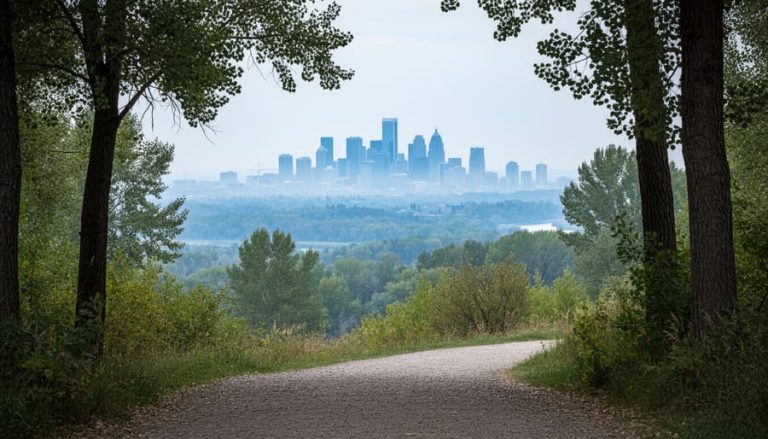
Good news for Sicamous residents: the air quality today sits at an AQI of 30, firmly in the “Good” range, with some monitoring services reporting an even better “Excellent” reading of 18. If you’ve been checking your weather app or stepping outside with concern after hearing about smoke elsewhere in BC, you can breathe easy right now.
The dominant pollutant currently is ozone at low levels, not the wildfire smoke or particulate matter that typically triggers air quality worries in the region. Environment Canada’s latest forecast, issued early this week, shows conditions holding steady, though the specifics of what you’re breathing matter just as much as the overall number on the index.
For those managing respiratory conditions, planning outdoor activities, or simply trying to decide whether to open the windows, understanding what’s actually in the air makes all the difference. The current PM2.5 reading of just 2 micrograms per cubic meter is well below thresholds that would cause concern, even for sensitive groups.
This snapshot represents a welcome change from the smoky conditions that often blanket the Shuswap during summer wildfire season. But air quality shifts quickly in mountain communities, particularly when weather patterns change or new fires ignite. Knowing how to monitor conditions and what the numbers mean keeps you prepared, whether you’re heading out on Shuswap Lake or planning yard work.
What Changed: Air Quality Status in Sicamous
Sicamous residents are breathing easier this week, with air quality conditions improving to Good and Excellent levels after recent monitoring concerns. As of late September 2026, official readings paint a positive picture: Weather Underground reports an Air Quality Index of 30, placing conditions firmly in the “Good” category, while AccuWeather’s measurements are even better at AQI 18, rated Excellent. These readings represent a notable shift from earlier worries that prompted many locals to search for current air quality information.
The improvement comes from multiple verified monitoring sources, with Environment Canada issuing their latest forecast at 5:00 AM PDT on September 29, 2026. What’s particularly reassuring is that ozone (O3), the dominant pollutant currently affecting the region, remains at low concentrations. AccuWeather’s detailed measurements show O3 at 18 and 55 µg/m³, while fine particulate matter (PM2.5) registers just 9 and 2 µg/m³. These numbers matter because they’re tracking the specific pollutants that typically cause health concerns during wildfire season or temperature inversions.
The data comes from sophisticated international monitoring systems, including Copernicus Atmosphere Monitoring Service 2026 information and SILAM data from the Finnish Meteorological Institute, giving residents confidence in the accuracy of these readings.
Key Developments in Sicamous Air Quality Monitoring

1. Current Air Quality Index Readings Show Improvement
Sicamous residents can breathe easier as two major monitoring services confirm a significant improvement in local air conditions. Current readings show air quality has shifted into healthy ranges after a period of elevated concern.
- Weather Underground AQI 30 classified as Good air quality
- AccuWeather AQI 18 Excellent the lowest concern category
These numbers tell a reassuring story. An AQI between 0 and 50 falls into the “Good” category, meaning air pollution poses little to no risk. AccuWeather’s reading of 18 even qualifies as “Excellent,” indicating near-pristine conditions. Weather Underground’s AQI of 30, while slightly higher, remains well within the healthy range where everyone can enjoy outdoor activities without concern.
For context, AQI values above 100 start triggering health advisories for sensitive groups, and readings above 150 prompt warnings for the general population. The current measurements sit far below those thresholds. Anyone who’d been checking air quality during recent smoky periods will recognize this as a welcome change, the kind of conditions that make Sicamous the outdoor destination locals know and love.
2. Ozone Identified as Dominant Pollutant
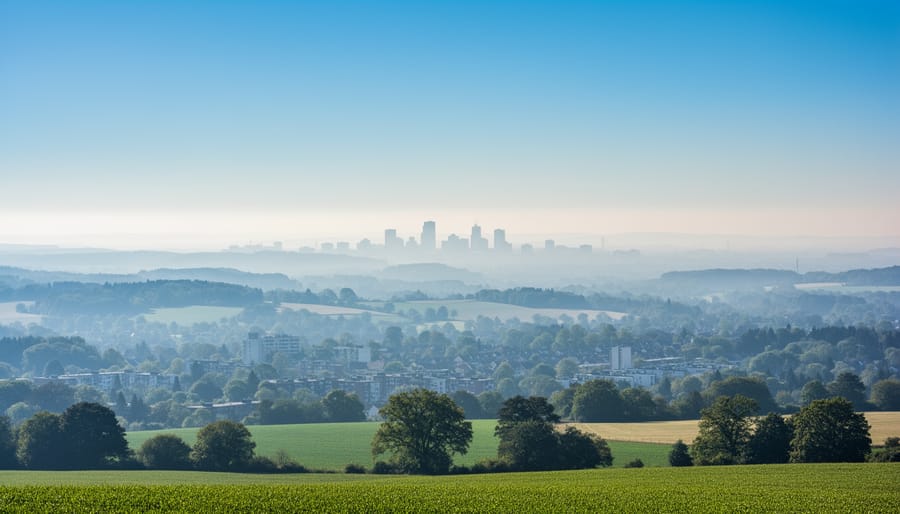
Ozone is the pollutant driving current air quality readings in Sicamous, with tracking systems recording consistent measurements across multiple platforms. AccuWeather ozone is O3 55 µg/m³ with an index value of 18, placing conditions firmly in the Excellent range. These numbers confirm what residents need to know: O3, not particulate matter or smoke, is what’s being measured right now.
Ozone forms when sunlight reacts with emissions from vehicles and industrial sources. It’s a secondary pollutant, meaning it doesn’t come directly from a smokestack or tailpipe but develops in the atmosphere. In Sicamous, late summer and early fall typically see elevated ozone readings during sunny afternoons when chemical reactions peak. The current 55 µg/m³ measurement sits well below Health Canada’s guideline of 63 µg/m³ for one-hour exposure.
Unlike wildfire smoke that can blanket the region for days, ozone levels fluctuate with temperature and sunlight. Cooler evening temperatures naturally reduce ozone concentrations. For Sicamous residents, this means air quality follows a daily pattern, with the cleanest air generally arriving after sunset and before mid-morning warming begins.
3. Updated Monitoring from Multiple International Sources
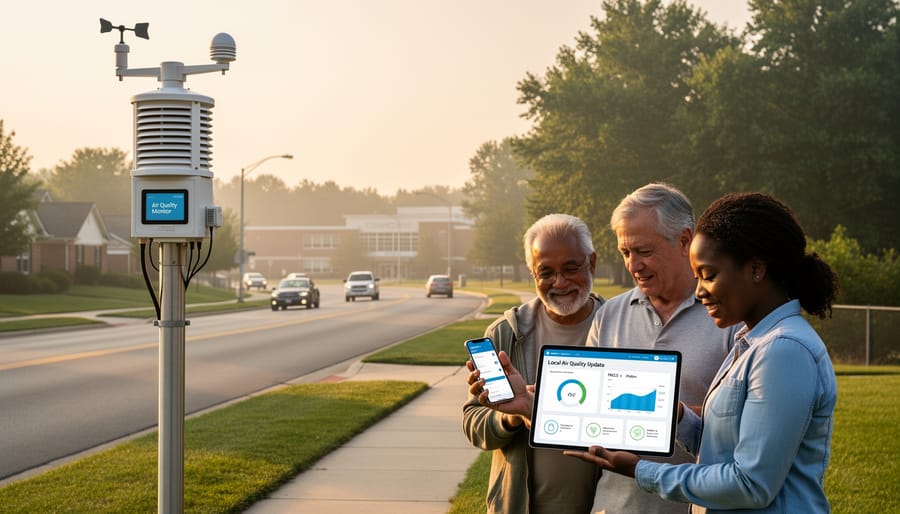
Sicamous residents benefit from a robust network of international and national air quality monitoring systems that work together to provide comprehensive, real-time data. Weather Underground pulls readings from Copernicus and SILAM data sources, combining information from the European Union’s Copernicus Atmosphere Monitoring Service with data from the Finnish Meteorological Institute’s SILAM forecasting system. This dual-source approach gives us a broader atmospheric picture than any single monitoring station could provide.
On the national front, Environment Canada issued forecast Sept 29 at 5:00 AM PDT, offering localized predictions specific to the Sicamous area. When you combine European atmospheric modeling, Finnish air quality forecasting, and Canadian government data, you get cross-validated readings that are more reliable than any single source. If all three systems show good air quality, you can trust that assessment more confidently than you would a lone monitoring station’s report.
This layered monitoring approach means residents aren’t relying on guesswork or outdated information when making decisions about outdoor activities.
Why Air Quality Matters for Sicamous Residents
Understanding air quality matters because what you breathe directly affects your health, comfort, and ability to enjoy the outdoor lifestyle that draws people to Sicamous. When the AQI sits at 30 or lower, like the current Good rating, residents can breathe easy, literally. These levels mean the air poses little to no risk, and everyone from morning joggers along Shuswap Lake to families planning a day at the beach can go about their activities without concern.
The difference between Good and moderate or unhealthy AQI levels shapes daily decisions in tangible ways. At Good levels (0-50), you won’t experience irritation, coughing, or that scratchy throat feeling. Kids can play outside without restriction, athletes can train at full intensity, and those managing respiratory conditions rarely need to adjust their routines. When AQI climbs into moderate territory (51-100), sensitive groups start noticing symptoms. Once readings hit unhealthy levels above 100, which Sicamous has experienced during wildfire events, everyone needs to limit outdoor time.
For a community like Sicamous, where recreation and tourism drive both the economy and quality of life, air quality monitoring serves as an early warning system. The current Excellent reading of AQI 18 from AccuWeather confirms what residents can see and feel: clear skies, clean air, and safe conditions for everything from hiking to boating. These numbers translate to freedom, freedom to open windows, take that bike ride, or let children play outside without second-guessing whether the air is safe. That’s the real value of monitoring: it removes uncertainty and lets you make informed choices about protecting your health while enjoying what Sicamous offers.
What to Watch: Air Quality Outlook
Staying on top of air quality in Sicamous means checking reliable sources regularly and understanding what can shift conditions quickly in this region. While current readings show excellent air, several factors can change that picture within hours or days.
Wildfire season remains the biggest variable for Sicamous air quality. Smoke from fires in British Columbia or neighboring provinces can drift into the valley unexpectedly, particularly during summer and early fall. Wind patterns play a huge role here, funneling smoke through mountain corridors or clearing it out just as fast. Weather changes matter too. Temperature inversions can trap pollutants close to the ground, while strong winds and rain typically improve conditions.
For daily monitoring, residents should bookmark a few key sources. Environment Canada provides official forecasts updated regularly throughout the day. Weather Underground and AccuWeather both track real-time AQI readings for Sicamous, pulling data from international monitoring networks like the Copernicus Atmosphere Monitoring Service. Checking multiple sources gives you a fuller picture, since readings can vary slightly between stations.
Understanding how air quality works helps you interpret what the numbers actually mean for your plans. An AQI below 50 means you’re good to go for any outdoor activity. Once readings climb above 100, sensitive groups should start limiting prolonged exertion outdoors.
Set up alerts on your weather app if available. Many services now push notifications when air quality deteriorates, giving you a heads-up before conditions become problematic.
Common Questions About Sicamous Air Quality
Residents wanting to understand Sicamous air quality often have the same core questions about readings, pollutants, and when to take action. Here’s what you need to know about interpreting the data and keeping your family safe.
What does an AQI of 30 mean for Sicamous residents?
An AQI of 30 falls in the Good category, meaning air quality is satisfactory and poses little or no health risk. Most people can enjoy normal outdoor activities without concern at this level.
What is ozone and why is it the dominant pollutant being monitored?
Ozone (O3) is a gas that forms when sunlight reacts with pollutants, often peaking during warmer months. It’s tracked because even at moderate levels it can irritate airways, though current readings of 18 and 55 µg/m³ remain well within safe ranges.
Where can I check current air quality for Sicamous?
You can monitor conditions through Weather Underground, AccuWeather, and Environment Canada forecasts, which use data from the Copernicus Atmosphere Monitoring Service and other international sources. Tools like real-time smoke maps provide visual tracking during wildfire season.
When should I limit outdoor activities based on air quality?
Consider reducing prolonged outdoor exercise when the AQI rises above 100 (Unhealthy for Sensitive Groups). Children, seniors, and those with respiratory conditions should take extra caution starting around AQI 50-100, though current Excellent ratings pose no restrictions.
The shift from monitoring multiple pollutants to identifying O3 as primary reflects typical seasonal patterns rather than cause for alarm. PM2.5 readings currently sit at just 2 µg/m³, well below concerning thresholds. Understanding these numbers helps you make informed decisions about outdoor plans, especially during activities like hiking or sports when you’re breathing more deeply.
If you notice a sudden change in visibility or smell smoke, check updated readings before heading out. AQI can shift quickly during wildfire events, so morning readings don’t always reflect afternoon conditions.
Sicamous residents can breathe easy knowing the current air quality sits comfortably in the Good to Excellent range, with AQI readings between 18 and 30 as of late September. While today’s conditions look positive, air quality can shift quickly depending on wildfire activity, weather patterns, and seasonal factors. Staying informed through regular air quality updates from reliable monitoring sources helps you make smart decisions about outdoor activities and protect your health. Have you noticed changes in air quality where you live? Share your observations and join the conversation on Calgary Now’s platform, your local insights help the whole community stay prepared.