Right now, Abbotsford’s air quality sits at a comfortable 19 on the Air Quality Index, rated as “Good” with low health risks for residents. If you’re checking before heading out for a run or deciding whether the kids can play outside, you’re in the clear today.
But that spike in searches tells a different story. When air quality queries jump 450% overnight, it’s usually because smoke has rolled in or someone’s noticed a haze settling over the valley. Abbotsford sits in the Central Fraser Valley, a geographic bowl that can trap pollutants when conditions align. Wildfire smoke from B.C.’s forests remains the biggest wildcard, capable of flipping readings from green to red in hours.
The Air Quality Health Index you’re seeing comes from a partnership between Environment Canada, Health Canada, and several B.C. agencies, designed to give you real-time snapshots of what you’re actually breathing. The system covers more than 80 percent of the population across Metro Vancouver and the Lower Fraser Valley, tracking fine particulate matter (PM2.5) that’s small enough to lodge deep in your lungs.
Understanding these numbers matters because air quality in southern B.C. doesn’t follow a predictable calendar anymore. A “Low Risk” reading today doesn’t guarantee the same tomorrow, especially during fire season. Knowing where to check current conditions and what the numbers mean for your health gives you the control to make smart calls about outdoor plans, whether you’re in Abbotsford, Calgary, or anywhere smoke patterns might shift.
What the Numbers Actually Tell Us

Right now, Abbotsford’s air is sitting at an AQI of 19, which falls into the “Good” category. If you’re wondering what that actually means for your morning jog or your kids playing outside, it’s pretty straightforward: the air quality poses little to no risk.
The region uses two measurement systems, and they’re both showing favorable conditions. The Air Quality Index (AQI) runs on a scale where anything under 50 is considered good. At 19, Abbotsford is well within that safe zone. Meanwhile, the Air Quality Health Index for Central Fraser Valley registered a 1 out of 10 at midnight on October 26, 2026, which translates to “Low Risk.” The forecast stays reassuring through Tuesday, hovering between 1 and 2 on that scale.
So why are so many people suddenly checking these numbers? Air quality isn’t usually top of mind until something changes. Recent wildfire smoke events across British Columbia have made residents more vigilant about what they’re breathing. Even when conditions improve, that heightened awareness sticks around. People want to know if it’s safe to open windows, whether their elderly parents should limit outdoor time, or if that persistent cough is environmental.
The “Low Risk” designation means most people can go about their normal activities without worry. You won’t need to adjust your outdoor plans or keep children indoors. But understanding these numbers matters because air quality can shift quickly in our region. What’s low risk today could change if wind patterns shift or new fires ignite. That’s precisely why residents have developed the habit of checking readings before making daily decisions about outdoor exposure.
How Air Quality Gets Measured in Your Community

When you check Abbotsford’s air quality readings, you’re actually accessing data from a coordinated network of government agencies and regional organizations working together. The Air Quality Health Index is a joint initiative of Environment Canada, Health Canada, the B.C. Ministry of Environment and Parks, the B.C. Ministry of Healthy Living and Sport, the B.C. Ministry of Health Services, Metro Vancouver, the B.C. Lung Association, and the Fraser Valley Regional District. These partners maintain monitoring stations that continuously track pollutants and provide real-time updates to over 80 percent of the population across 14 communities in British Columbia.
Understanding the measurements helps you make informed decisions about outdoor activities. Here’s what the numbers actually mean:
- AQI (Air Quality Index)
- A numerical scale from 0 to 500 that measures the concentration of major air pollutants. Abbotsford’s current AQI of 19 falls in the “Good” range, indicating minimal air pollution levels.
- AQHI (Air Quality Health Index)
- A scale from 1 to 10+ developed specifically for Canadian communities that reflects health risks from air pollution. Central Fraser Valley’s current AQHI of 1-2 means “Low Risk” for everyone.
- PM2.5
- Tiny airborne particles measuring 2.5 micrometers or smaller, about 30 times smaller than a human hair. These particles penetrate deep into your lungs and bloodstream, making them the most health-relevant pollutant to track.
- Risk Levels
- The AQHI uses four categories: Low Risk (1-3), Moderate Risk (4-6), High Risk (7-10), and Very High Risk (10+). Each level comes with specific health recommendations for different populations.
The monitoring network extends throughout Metro Vancouver and the Lower Fraser Valley, plus communities like Kamloops, Kelowna, Nanaimo, Prince George, Vernon, Victoria, and the South Okanagan. This regional approach matters because air quality doesn’t respect municipal boundaries, smoke from wildfires in forests and grasslands can affect vast areas simultaneously, which is why understanding how air quality works across multiple monitoring stations helps you see the bigger picture. The Fraser Valley Regional District specifically tracks local conditions that affect Abbotsford residents, accounting for everything from vehicle emissions to industrial sources and seasonal wildfire smoke.
Why Air Quality Matters More Than You Think
Even when your air quality app shows reassuring green numbers, those readings still matter for your daily decisions. While most of us only pay attention during smoky summers or pollution advisories, the air we breathe shapes our health every single day.
Children face the biggest risks from air pollution because they breathe faster and spend more time outdoors than adults. Their developing lungs absorb pollutants more readily, making even moderate air quality days problematic for kids with asthma or allergies. Seniors and people with heart or lung conditions are equally vulnerable. Poor air quality can trigger breathing difficulties, worsen existing conditions, and in extreme cases, contribute to serious cardiovascular events.
What surprises many people is that pollution doesn’t just mean billowing smokestacks. In the Fraser Valley, wildfire smoke has become a major seasonal concern, carrying fine particulate matter that travels hundreds of kilometres from burning forests and grasslands. These PM2.5 particles are tiny enough to penetrate deep into your lungs and bloodstream. But wildfires aren’t the only culprit. Vehicle exhaust, agricultural burning, wood stoves, and industrial emissions all contribute to the region’s air quality profile.
The sneaky thing about air pollution is how it accumulates. A string of supposedly good air quality days can still expose you to low-level pollutants that add up over time, particularly if you exercise outdoors during rush hour or live near busy roads. That’s why checking readings regularly helps you time outdoor activities smarter, schedule your morning run before traffic picks up, or decide whether to open windows for fresh air or keep them closed.
Understanding these patterns helps you protect yourself and your family, whether you’re planning a hike, considering outdoor sports for your kids, or managing a respiratory condition.
When Air Quality Changes Fast
Air quality in Abbotsford doesn’t follow a predictable schedule. A clear morning can turn hazy by afternoon when wind patterns shift or wildfires ignite hundreds of kilometres away. That’s why thousands of residents suddenly check readings when smoke appears on the horizon or when social media buzzes with warnings.
Wildfires remain the most dramatic trigger for rapid air quality changes. When fires burn in B.C.’s interior or even across the border in Washington state, prevailing winds can push smoke into the Fraser Valley within hours. What starts as a Low Risk morning can escalate to Moderate or High Risk by dinnertime, especially during summer and early fall when fire season peaks.
Weather plays a quieter but equally important role. Temperature inversions trap pollution close to the ground, preventing it from dispersing. These inversions happen most often in winter, when cold air sits beneath warmer air like a lid on a pot. Even typical urban emissions from traffic and heating can accumulate to unhealthy levels during these conditions.
Seasonal patterns add another layer. Spring brings agricultural burning and dust from fields. Summer delivers wildfire smoke and ground-level ozone on hot, sunny days. Winter combines wood smoke from residential heating with trapped vehicle exhaust.
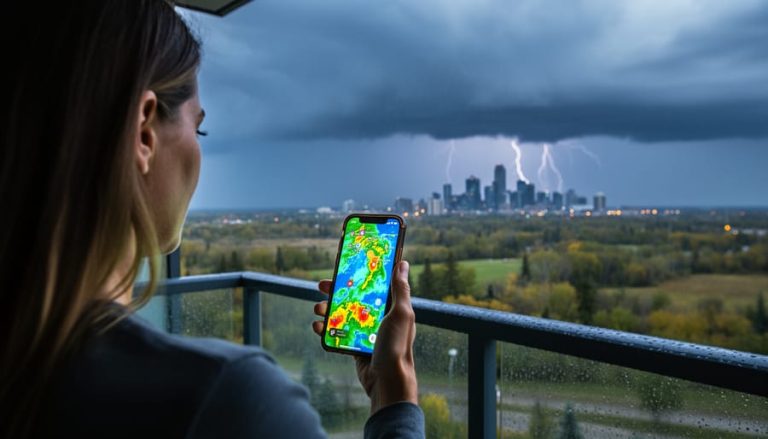
That’s why checking real-time smoke maps becomes routine for anyone with respiratory sensitivities or outdoor plans. Current readings show good conditions, but experienced residents know this can change faster than weather forecasts predict. The sudden spike in searches for air quality information reflects this reality, people have learned that staying ahead of changes matters more than reacting after symptoms appear.
How to Stay Informed Beyond Today
Staying on top of air quality conditions doesn’t require constant vigilance, but knowing where to look makes it second nature. Environment Canada’s Air Quality Health Index website offers readings for more than 80 percent of the population across 14 B.C. communities, from Metro Vancouver and the Lower Fraser Valley to Kamloops, Kelowna, Prince George, and Victoria. Southern Alberta residents can check air quality forecast information through similar regional monitoring systems before heading outdoors.
Most provincial air quality sites update hourly and include three-day forecasts, so you can plan activities ahead. The readings combine measurements for particulate matter like PM2.5, ground-level ozone, and nitrogen dioxide into a single index number that tells you what you need to know at a glance.
- Check readings first thing in the morning if you’re planning outdoor exercise or kids’ activities
- Sign up for air quality alerts from your regional health authority or environment ministry
- Consider postponing strenuous outdoor work when readings climb to moderate or higher
- Keep an eye on wildfire smoke forecasts during summer and fall months
- Share current readings with vulnerable family members who may not check regularly
When readings spike above low risk, adjust your routine rather than cancel it entirely. Moving your run to early morning when pollution levels tend to be lower, or choosing indoor activities on high-risk days, protects your respiratory health without putting life on hold. For most people, good air quality days mean business as usual, but having reliable sources bookmarked means you’re ready when conditions change fast.
Today’s readings show Abbotsford enjoying good air quality, but that’s just a snapshot. Weather shifts, wildfire season, and seasonal pollution patterns mean conditions can change quickly. The real value isn’t just knowing the air is clean right now, it’s building the habit of checking before you head out for a run, plan a weekend hike, or let the kids play outside.
Think of air quality monitoring as another weather check. You wouldn’t plan a picnic without glancing at the forecast, and the same logic applies here. Whether you’re in Abbotsford, elsewhere in the Fraser Valley, or across southern Alberta, making air quality part of your routine helps protect your family’s health year-round.
Got questions about what those AQHI numbers really mean for your daily activities? Wondering how wildfire smoke affects your community differently than urban pollution? We’d love to hear from you. Call in and chat with our Calgary Now presenters, let’s talk about what air quality means for where you live and how you can stay one step ahead.