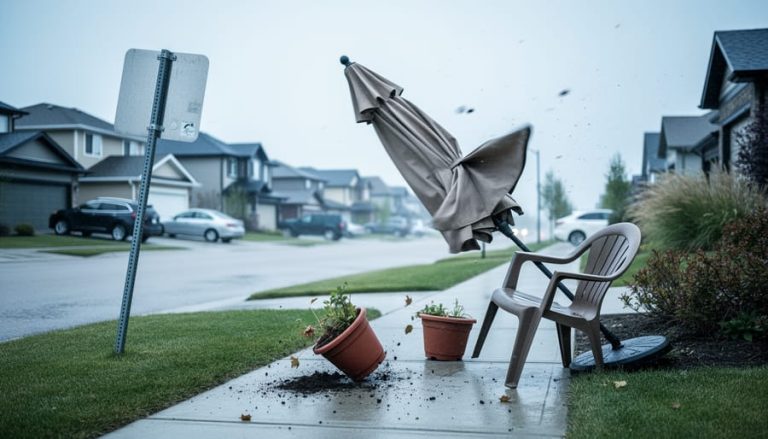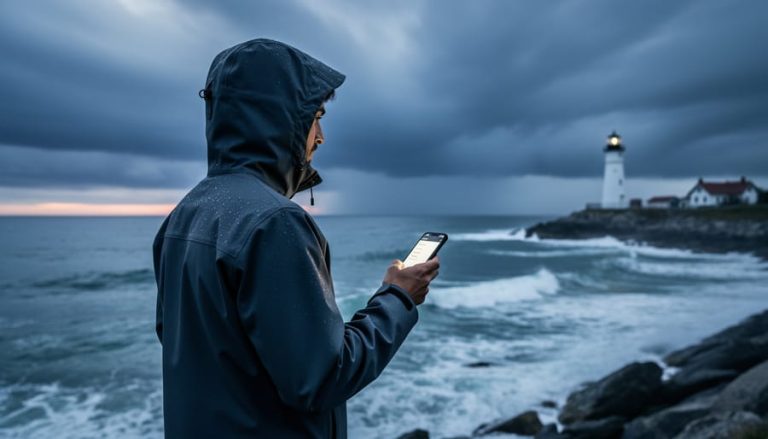
The latest British Columbia news centres on getting ready for the cold, wet season. The province is urging people to keep conserving water and to prepare for fall flooding, while South Coast highway travellers have been advised to plan for storm and possible flood conditions, based on a November 10, 2026 update. Winter weather is also opening up shelter spaces for people in need.
Health headlines matter too. RSV vaccines are now available to seniors in B.C., and the BC Coroners Service is investigating 133 deaths from drug toxicity in September, a sobering reminder of an ongoing crisis.
Why should southern Alberta care? Many of us have family, friends, and travel plans tied to B.C., and weather on the South Coast can ripple into road trips and shipping. Below, we break down each development in plain language, explain what it means, and flag what to watch next.
Have a B.C. connection or a story to share? Tune in to our radio segments and join the conversation with us.
What Changed in B.C. This Fall: The Headlines at a Glance
This fall, the mood in B.C. news shifted from late-summer dryness worries to getting ready for winter weather. Here’s the quick rundown of what changed and when:
- Sept. 21, 2026: The Province urged continued water conservation while also asking people to prepare for fall flooding.
- Sept. 22, 2026: RSV vaccines became available to seniors in B.C.
- Nov. 10, 2026: People were advised to plan for storm and possible flood conditions on South Coast highways.
- Winter weather: Shelter spaces are opening for people in need.
- September: The BC Coroners Service is investigating 133 drug toxicity deaths.
Read together, the first three items show the turn of the season. Early on, the message was to keep conserving water. By November, the focus had moved to storms and the chance of flooding, including South Coast highway flood preparedness. The RSV vaccine news fits that same pattern of getting ahead of the colder months.
The reports we found don’t confirm specific communities, so we’re keeping things general rather than guessing at locations. For the latest details where you live or plan to travel, check official provincial sources before you head out.
Key Developments Shaping British Columbia News
1. Province Urges Continued Water Conservation and Fall Flood Preparedness (Sept. 21, 2026)
On Sept. 21, 2026, the Province urged British Columbians to keep conserving water while also getting ready for fall flooding. That sounds like mixed messaging, but it makes sense once you picture how the weather can swing.
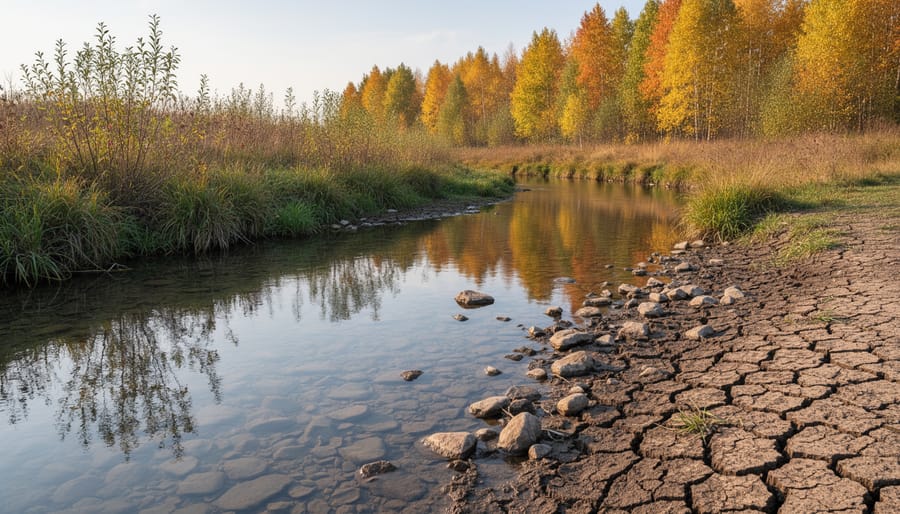
A long dry stretch leaves rivers, lakes and reservoirs lower than usual, so the call to save water stays in place. Then the fall rains arrive. When heavy rain falls on ground that’s been baked hard and dry, much of it can’t soak in. Instead it runs off the surface and into streams all at once, and that can push water levels up fast. Flood risk, in simple terms, is the chance that rivers and drainage systems fill faster than they can carry the water away.
So the two messages sit side by side. Use water wisely now, and don’t assume a dry summer means you’re off the hook come autumn. The Province’s advice amounts to staying flexible: keep conserving, and have a plan for when the rain does return.
2. RSV Vaccines Now Available to Seniors in B.C. (Sept. 22, 2026)
RSV, short for respiratory syncytial virus, is a common respiratory virus. For most healthy adults it feels like a bad cold, but it can hit older adults much harder, sometimes leading to serious breathing trouble. That’s why news of vaccine availability matters to a lot of families.
On Sept. 22, 2026, it was reported that RSV vaccines are now available to seniors in British Columbia. The details beyond that, such as who exactly qualifies, what it costs or how to book, weren’t confirmed in the information we have, so we won’t guess at them.
If you’re a senior in southern Alberta, or you look after an older parent or neighbour, the simplest next step is a quick conversation. Ask your pharmacist or health provider what RSV vaccine options exist in Alberta and whether one makes sense for you. Health programs differ from province to province, so local advice is your best guide.
Have you talked with your own family about respiratory season? Share your thoughts in the comments or bring it up with your favourite radio hosts.
3. Storm and Possible Flood Conditions Flagged for South Coast Highways (Nov. 10, 2026)
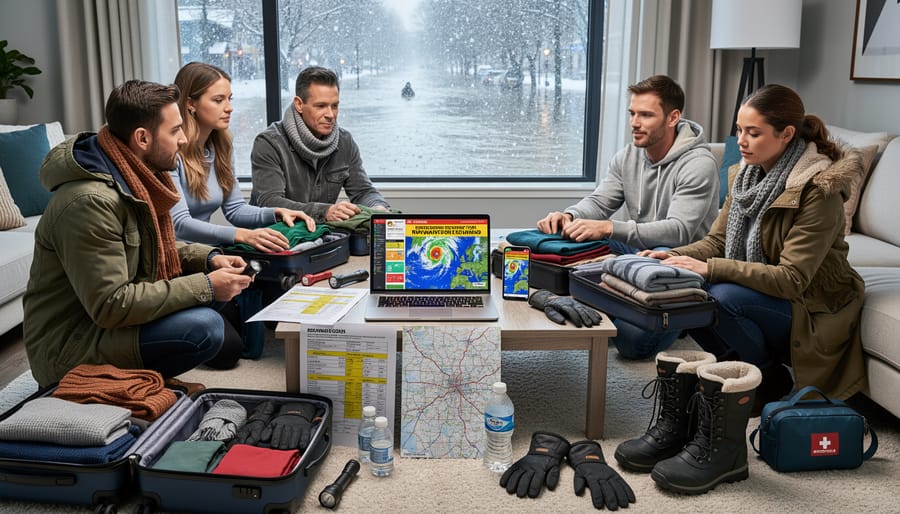
On Nov. 10, 2026, people were advised to plan ahead for storm and possible flood conditions on South Coast highways. The advisory didn’t come with specifics we can confirm here, so think of it as a nudge to build a little caution into any coastal trip rather than a reason to cancel one.
If you’re an Albertan who heads to the coast for family visits, a ferry connection or a getaway, the planning habits are simple and worth keeping year-round. Look at official road and weather sources before you leave, and check again before each leg of the drive. Build in extra time, because wet-weather driving rarely runs on schedule. Keep your gas tank topped up, and pack some water, snacks and warm layers in case you’re stuck waiting longer than expected.
Flexibility is the real trick. If your plans can shift by a day, you’ll be a lot more relaxed behind the wheel.
4. Winter Shelter Spaces Open and the Coroners Service Reports 133 Drug Toxicity Deaths in September
Two stories this season point to the same thing: people leaning on their communities for support. As winter weather settles in, shelter spaces are opening in B.C. for people in need. Specific locations haven’t been confirmed, so it’s worth checking with local authorities or community organizations for details on where and when.
At the same time, the BC Coroners Service is investigating 133 deaths from drug toxicity in September. It’s a sobering number, and one that deserves care rather than quick conclusions. The coroners’ work is ongoing, and nothing in the verified reporting assigns a cause or points a finger.
Why mention these together? They both speak to how a community looks after its most vulnerable members, whether that means a warm place to sleep or a broader public health response to a serious challenge. Albertans know these questions aren’t unique to one side of the Rockies.
If you or someone you know needs support, local health services and community agencies are a good first call. And if you have thoughts on how neighbours can help each other through winter, we’d love to hear them in the comments.
Why This Matters Beyond the B.C. Border
If you live in southern Alberta, B.C. weather isn’t somebody else’s problem. The same storm systems that roll across the coast tend to work their way over the mountains, and plenty of us drive those highways to visit family, run a business or catch a ferry. When the Province advises people to plan for storm and possible flood conditions on South Coast highways, that’s worth noticing if your holiday plans head west.
The health and community stories travel well too. RSV vaccines for seniors, winter shelter spaces and the BC Coroners Service’s investigation into 133 drug toxicity deaths in September all raise questions that Alberta communities are asking in their own way. How do we protect older neighbours? How do we support people who need a warm place to go?
None of this means the two provinces face identical situations, and local details always matter. Still, it helps to compare notes. How do these issues look from where you sit? Share your thoughts in the comments, or call in to your favourite radio hosts and keep the conversation going.
What to Watch Next and Your Questions Answered
As winter sets in, a few B.C. stories are worth following. Expect more advisories about storms and flooding, since the Province has already flagged possible flood conditions on South Coast highways. Water conservation messaging may keep evolving as well, and shelter availability will matter as the cold deepens. The BC Coroners Service will also likely release further reports after investigating 133 drug toxicity deaths in September. None of that tells us what’s coming, so check official sources rather than guessing.
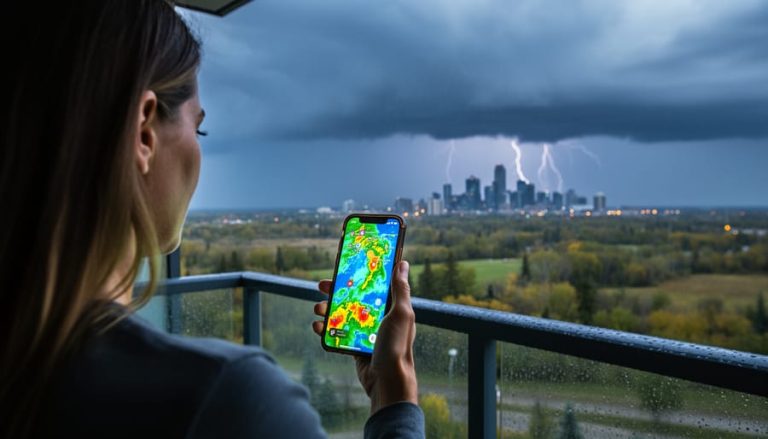
If you’re curious how severe weather plays out closer to home, this extreme weather update is a handy comparison, and these tools can help you track storms before you travel.
What is the Province asking people to do about water?
It has urged continued water conservation and fall flood preparedness. The two messages go together because dry spells and heavy rain can follow each other.
Who can get RSV vaccines in B.C.?
Vaccines became available to seniors on Sept. 22, 2026. For eligibility and booking details, ask a pharmacist or health provider.
How can I stay current on highway conditions?
Check official road and weather sources before you travel, and leave extra time if storms are in the forecast.
Where can I find official B.C. updates?
Provincial government and BC Coroners Service pages are the best places for current details.
Got a winter-prep tip? Share it in the comments.
That’s the picture from across the mountains: water conservation and flood prep, storm planning for coastal highways, RSV vaccines for seniors, winter shelter spaces, and a sobering coroners’ report. Different stories, but they share one thread. Good preparation and good neighbours make a hard season easier.
As winter settles in, take a few minutes to check on the people around you. A quick call to an older relative, a ride offered to a friend, or a look at the road and weather advisories before a trip can matter more than it seems.
We’d love to hear from you. What are you doing to get ready for the cold months? Share your winter-prep tips in the comments, and tell us what’s working in your household. And keep your favourite radio presenters on while you’re out and about, since they’re a reliable way to catch local and regional updates as they develop. Stay warm, stay safe, and look out for one another.