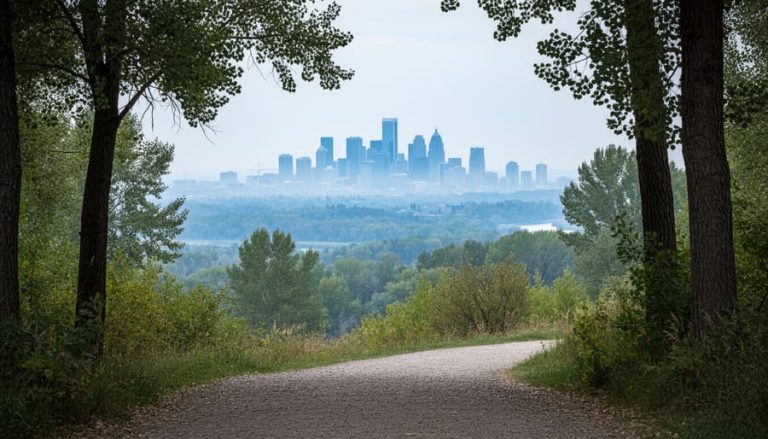
Checking Calgary’s air quality forecast is as simple as visiting Environment Canada’s Air Quality Health Index page, where you’ll find current readings and a four-day outlook updated twice daily. Right now, the latest forecast for our city was issued Thursday evening (September 17, 2026, at 5:00 PM MDT) and covers conditions through Saturday, giving you a clear window to plan outdoor activities, adjust commutes, or take precautions if you’re in a sensitive health group.
Understanding what those numbers mean can be the difference between a safe morning jog and a day spent wheezing indoors. The AQHI runs on a 10+ scale: 1 to 3 signals low risk for everyone, 4 to 6 means moderate risk (watch for symptoms if you have asthma or heart conditions), 7 to 10 indicates high risk, and anything above 10 is very high risk territory where even healthy folks should dial back strenuous outdoor plans. Southern Alberta’s geography, sitting at the foothills with unpredictable chinooks and occasional smoke drifts from wildfires, makes real-time air quality tracking more than just a nice-to-have during certain seasons.
Knowing how to read the forecast, where to find reliable updates, and what steps to take when the index climbs can protect your lungs and keep your family safe. Whether you’re heading out for a bike ride along the Bow River or deciding if the kids should play soccer after school, a quick glance at the AQHI puts you in control.
What You Need to Check Calgary’s Air Quality Forecast
Checking Calgary’s air quality forecast requires nothing more than internet access and a few minutes of your time. You don’t need special equipment or technical expertise, just the right resources and a basic understanding of what you’re looking at.
Here’s what you need to get started:
- An internet connection (computer, smartphone, or tablet)
- Access to the official Air Quality Health Index page for Calgary, Alberta
- Basic knowledge of your own health risk category (whether you have asthma, heart conditions, or other respiratory sensitivities)
- Optional: weather apps or notification services that include AQHI alerts
The primary resource is Environment Canada’s official AQHI page, which provides Calgary-specific forecasts updated regularly throughout the day. As of September 2026, these forecasts typically cover a multi-day window, for example, the forecast issued at 5:00 PM MDT on Thursday covers Thursday night through Saturday.
You can access this information through a web browser on any device. Several weather apps also pull AQHI data, making it convenient to check alongside your regular weather forecast. The WeatherCAN app from Environment Canada is particularly reliable since it sources directly from official data.
Before you check, it helps to know whether you or your family members fall into a higher-risk category. This context matters because someone with asthma will need to take precautions at lower AQHI levels than a healthy adult. Understanding the 1-to-10+ scale basics means you won’t waste time figuring out what the numbers mean when you need to make quick decisions about outdoor plans.
Understanding the AQHI Scale and Risk Levels
The Air Quality Health Index runs on a simple scale from 1 to 10+, but understanding what those numbers mean for your day can be the difference between a safe outdoor workout and a health risk. The system groups readings into four categories, each with clear guidance for Calgary residents.
Low Risk (1-3) means ideal conditions. At these levels, everyone, including kids, seniors, and people with respiratory conditions, can enjoy normal outdoor activities without concern. You’ll see these numbers on clear days when southern Alberta’s chinook winds have swept through or after a good rainfall.
Moderate Risk (4-6) calls for a bit of awareness. Most Calgarians can stick to their regular routines, but if you have asthma, heart disease, or breathing problems, you might notice symptoms during intense exercise. Consider dialing back that hill sprint workout or taking breaks during yard work. Children playing outside should be fine, though keep an eye on any who have asthma.
High Risk (7-10) is when you need to adjust plans. Everyone should reduce or reschedule strenuous outdoor activities. For at-risk groups, that includes young children, older adults, and anyone with lung or heart conditions, even moderate exertion can trigger symptoms like coughing, chest tightness, or shortness of breath. Walk instead of jog, and choose indoor activities when possible.
Very High Risk (10+) means serious caution. At-risk individuals should avoid outdoor physical activity altogether. Even healthy adults will likely feel the effects during exercise. These readings typically hit Calgary during major wildfire smoke events or prolonged winter inversions when cold air traps pollutants in the valley. When you see double digits on the AQHI, it’s a day to stay inside with windows closed.
When to Be Extra Cautious: Health Warnings
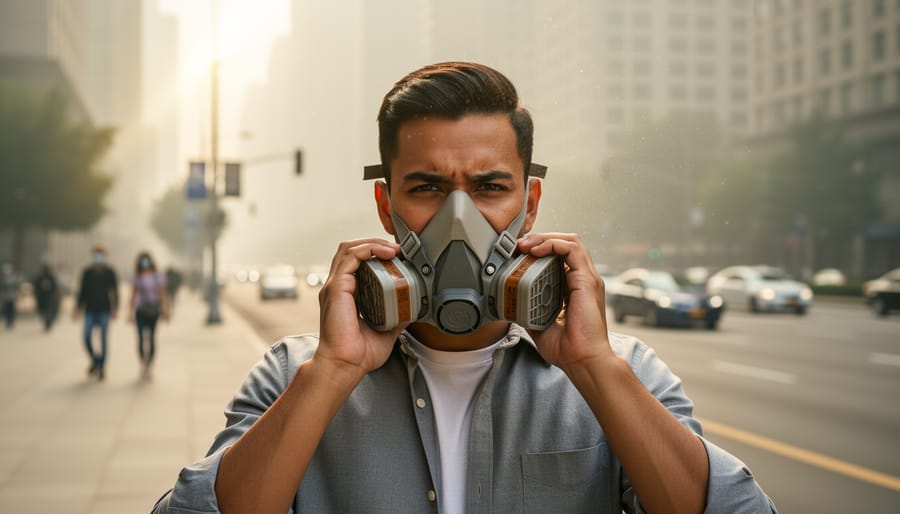
Poor air quality doesn’t affect everyone equally. If you have asthma, chronic obstructive pulmonary disease, or other lung conditions, you’re at significantly higher risk when Calgary’s AQHI climbs into the Moderate range or above. The same goes for people with heart disease, since air pollutants can trigger cardiovascular stress. Children are particularly vulnerable because their lungs are still developing and they breathe more rapidly during outdoor play. Seniors face increased risk due to reduced lung capacity and the likelihood of underlying health conditions.
Calgary’s geography creates unique air quality challenges that make these warnings especially important here. The city sits in a valley where temperature inversions can trap pollutants close to ground level, preventing them from dispersing. During these inversions, which commonly occur in winter and during calm weather conditions, smoke, vehicle emissions, and other contaminants build up even when sources aren’t unusually active. Combined with wildfire smoke that drifts into southern Alberta during summer and early fall, these trapped pollutants can push the AQHI into High or Very High territory faster than in other regions.
When the forecast shows AQHI levels of 7 or higher, at-risk individuals should stay indoors and avoid strenuous activity altogether. Even healthy adults should reconsider outdoor exercise on these days. If you notice your symptoms worsening, increased wheezing, shortness of breath, unusual fatigue, or irritated eyes and throat, don’t push through it. Your body is telling you the air quality is affecting your health.
How to Check Calgary’s Current Air Quality Forecast

The quickest way to see what Calgary’s air quality will look like today and over the next few days is to go straight to the official Air Quality Health Index page for Calgary, Alberta. This government resource updates regularly throughout the day and gives you the forecast maximums you need to plan ahead.
Here’s how to access and interpret the forecast in under two minutes:
- Open your browser and search for “Calgary AQHI” or navigate directly to Environment Canada’s air quality page for Calgary, Alberta. The official page is free and doesn’t require an account or app download.
- Look for the “Forecast Maximums” section near the top of the page. This shows the highest AQHI numbers expected for each forecast period, typically covering tonight through the weekend.
- Note the forecast window. For example, the forecast issued at 5:00 PM MDT Thursday 17 September 2026 covered Thursday night, Friday, Friday night, and Saturday. This tells you how far ahead you can reliably plan.
- Match the forecast maximum to the risk categories you learned earlier. A forecast showing 4 means Moderate Risk, while 8 indicates High Risk conditions are expected during that period.
- Scroll down to find the health messages tailored to your risk group. The page provides specific guidance for the general population, at-risk individuals, and those with existing health conditions.
Always check before you head out for morning runs or afternoon sports, especially during wildfire season or when temperature inversions trap pollutants over the city. The timestamp at the top of the page shows when the forecast was last updated, so you know you’re working with current information. If you’re planning activities several hours ahead, a quick refresh ensures you’re not relying on stale data, particularly when conditions can shift as weather systems move through southern Alberta.
Taking Action Based on the Forecast
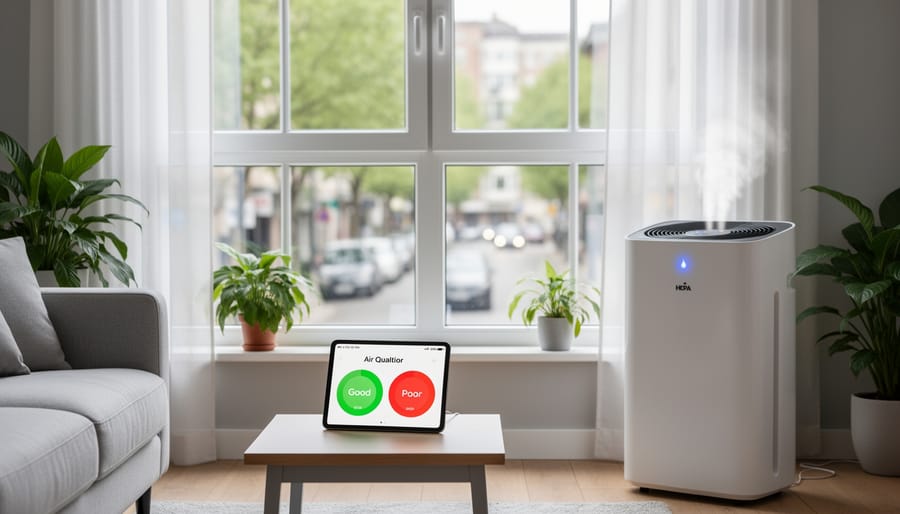
Once you’ve checked Calgary’s AQHI forecast and know what air quality to expect, the next step is adjusting your plans to protect yourself and your family. The actions you take depend on the risk level and who in your household might be vulnerable.
If the forecast shows moderate risk (4-6), most people can continue outdoor activities as usual, but those with asthma or heart conditions should watch for symptoms like coughing, shortness of breath, or chest tightness. Consider moving workouts indoors or scheduling them for early morning when pollutant levels tend to be lower. High risk days (7-10) call for more significant changes: limit the intensity and duration of outdoor exercise, take frequent breaks, and stay safe outdoors by avoiding strenuous activity during peak afternoon hours when ground-level ozone can worsen.
When the forecast hits very high risk (10+), it’s time for protective measures:
- Reschedule outdoor sports, yard work, and other strenuous activities until air quality improves
- Keep windows closed during high-risk periods, especially if smoke or smog is visible
- Run air purifiers with HEPA filters in bedrooms and main living areas
- Check for school recess cancellations and recreation program schedule changes
- Keep rescue inhalers, respiratory medication, and emergency contacts easily accessible
For vulnerable family members, create a comfortable indoor environment before poor air quality arrives. Stock up on groceries and prescriptions so no one needs to venture out, and plan indoor activities to keep children entertained. If you’re organizing community events or youth sports in Calgary, check the forecast a day ahead and communicate any changes early. Parents should monitor school announcements, as Calgary schools may move recess indoors or cancel outdoor field trips when the AQHI climbs.
Remember that air quality can shift throughout the day. If the morning forecast shows improvement, that’s your window for essential outdoor tasks.
Verifying Your Plan and Staying Updated
Once you’ve adjusted your plans based on Calgary’s air quality forecast, you’ll want to confirm those decisions are keeping you and your family safe. The best way to verify is checking for updates at least twice daily when air quality is compromised, particularly morning and evening when conditions often shift.
Calgary’s AQHI forecasts refresh multiple times throughout the day as Environment Canada receives new monitoring data. When you see a multi-day forecast showing moderate to high risk levels, make it routine to pull up the forecast page before heading out. The timestamp at the top of the page tells you exactly when that forecast was issued, if it’s been several hours since the last update, refresh your browser to see if conditions have changed.
You can also use real-time smoke maps to see whether pollution is moving toward or away from Calgary, giving you confidence about whether conditions will improve or worsen in the next few hours.
Your body provides important verification signals too. If you’ve stayed indoors during a high-risk period and you’re breathing easier, experiencing fewer headaches, or your children aren’t coughing, your precautions are working. Conversely, if you’re following the forecast but still experiencing eye irritation, chest tightness, unusual shortness of breath, or persistent coughing, take it seriously. These symptoms mean you should reduce activity further or head indoors immediately.
Seek medical attention if breathing difficulties worsen despite precautions, if someone with asthma needs their reliever inhaler more than usual, or if chest pain develops. Don’t wait for the forecast to improve if symptoms are severe.
Common Questions About Calgary’s Air Quality Forecast
How often is Calgary’s air quality forecast updated?
The AQHI forecast for Calgary is typically updated twice daily by Environment Canada, with the latest issue time shown at the top of the forecast page. During rapidly changing conditions like wildfire smoke events, updates may come more frequently, so check the timestamp each time you visit.
What causes poor air quality in Calgary?
Calgary’s air quality is most often affected by wildfire smoke during summer and fall, temperature inversions that trap vehicle emissions and industrial pollutants close to the ground in winter, and dust from construction or prairie winds in spring. The city’s location in a valley can make these issues worse by preventing pollutants from dispersing.
Can I rely on the forecast for planning weekend outdoor activities?
The AQHI forecast becomes less precise the further out you look, but it’s reliable enough for general planning within the forecast window. For Saturday plans, check Thursday or Friday’s forecast for a decent idea, then verify the morning of your activity for the most accurate reading.
How accurate are AQHI predictions compared to weather forecasts?
Air quality forecasts are generally accurate for the next 12-24 hours but can change quickly if wind patterns shift or unexpected smoke arrives. They’re based on current pollutant levels, weather models, and regional conditions, making them reasonably dependable for short-term planning, though not quite as precise as temperature or precipitation forecasts.
These are the questions southern Alberta residents ask most when they’re trying to figure out whether to trust what they’re seeing on the forecast page. The short answer is yes, trust it for today and tomorrow, but treat longer-range predictions as guidance rather than guarantees. If you’re planning a weekend cycling event or an outdoor birthday party, the Friday forecast gives you enough information to prepare backup plans, even if the exact AQHI number shifts by a point or two.
One thing worth knowing: air quality and weather forecasts use different data and models, even though they both come from Environment Canada. A beautiful sunny day can have terrible air quality if smoke is drifting in from fires hundreds of kilometers away, and a cloudy, cool day might have perfectly clean air. Always check both forecasts separately rather than assuming good weather means good air.
Checking Calgary’s air quality forecast takes less than a minute, but that quick habit can make a real difference for your health and your family’s well-being. Whether you’re planning a morning run, deciding if the kids should play outside after school, or helping an elderly neighbor with respiratory issues, knowing what the AQHI looks like for the next few days gives you the information you need to make smart choices.
During wildfire season and those temperature inversions that trap pollutants over southern Alberta, making this check part of your routine matters even more. Bookmark the Calgary AQHI page on your phone, set a reminder to check it when poor air quality is forecast, and share what you learn with friends and neighbors who might not know this resource exists.
We’d love to hear from you in the comments: How do you adjust your plans when air quality dips? What questions do you still have about interpreting the forecast? And for the latest weather and air quality updates specific to Calgary, check in with Calgary Now’s weather team throughout the week. Stay safe out there.