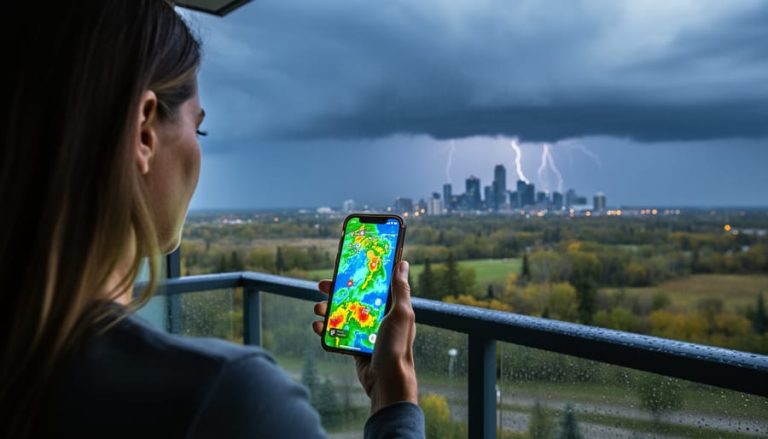
Invermere residents checking air quality right now can find real-time readings through Environment and Climate Change Canada’s Air Quality Health Index, which rates conditions on a scale of 1 to 10 and provides forecasts for planning outdoor activities safely. The AQHI translates complex pollution measurements into simple health risk categories, from low risk (1-3) to very high risk (10+), making it easy to decide whether it’s safe to go for that mountain bike ride or if the kids should stay inside.
This summer has reminded us why monitoring air quality matters in the East Kootenay. On July 23, Environment Canada issued a yellow-level air quality warning for the region, including Invermere, as wildfire smoke drifted into the valley. If you’ve noticed hazy skies or felt that telltale scratch in your throat, you’re experiencing what happens when PM2.5 particles (fine particulate matter smaller than 2.5 micrometers) accumulate in the air we breathe.
Understanding how to read these warnings and where to find current conditions isn’t just useful during fire season. It’s essential knowledge for anyone living in or visiting southeastern British Columbia. Whether you’re a parent deciding if your kids can play soccer practice, someone with asthma planning errands, or a tourist hoping to hike in nearby Kootenay National Park, the AQHI gives you the information you need to make smart decisions about outdoor exposure. The system updates regularly throughout the day, so you’re never working with stale data when conditions can change within hours.
What the Air Quality Health Index Actually Tells You
The Air Quality Health Index isn’t just another weather statistic. It’s a practical tool that tells you whether it’s safe to go for that hike up Panorama or if you should keep the kids indoors today.
Environment and Climate Change Canada designed the AQHI as a 1-to-10 scale that translates complex air measurements into guidance you can actually use. Unlike older systems that focused on single pollutants, the AQHI considers a mix of ground-level ozone, particulate matter, and nitrogen dioxide, the stuff that actually affects your lungs and overall health. The higher the number, the greater the health risk from breathing outdoor air.
| AQHI Range | Risk Level | Who Should Be Concerned | What to Do |
|---|---|---|---|
| 1-3 | Low | No concerns for general population | Enjoy your normal outdoor activities |
| 4-6 | Moderate | People with respiratory conditions should watch for symptoms | Consider reducing intense outdoor exertion if you experience symptoms |
| 7-10 | High | Children, elderly, and those with heart or lung conditions at risk | Reduce or reschedule strenuous activities outdoors |
| 10+ | Very High | Everyone may experience health effects | Avoid strenuous activities outdoors; vulnerable people should stay inside |
For Invermere residents, this scale matters because our valley location and proximity to wildfire zones can create rapid changes in air quality. That yellow-level warning issued for East Kootenay in July 2026 is exactly the kind of alert that should prompt you to check the AQHI before heading out. The Columbia Valley’s geography can trap smoke, meaning conditions here might differ significantly from what you see just an hour away in Calgary or Cranbrook.
Where Wildfire Smoke Fits Into the Picture

Invermere sits in the Columbia Valley, which means smoke from wildfires across British Columbia can drift into the region and linger for days. The valley’s geography creates a natural channel for smoke movement, and when fires are active anywhere in the southern interior, residents here feel the effects quickly.
The July 2026 yellow-level air quality warning for East Kootenay reminded everyone just how fast conditions can change. That advisory covered Invermere and the Elk Valley, triggered by wildfire smoke drifting into the region. Yellow warnings mean the air quality poses moderate risk for sensitive groups, which includes kids, seniors, and anyone with asthma or heart conditions. What starts as a clear morning can turn hazy by afternoon when wind patterns shift.
Summer demands extra attention because that’s peak fire season across BC. From June through September, multiple fires can burn simultaneously, each sending smoke in different directions depending on weather systems. The Columbia Valley’s position means smoke from the Okanagan, Kootenays, or even as far as the interior can reach Invermere. Checking Lake Louise air quality updates gives you a sense of what might be heading east, since nearby mountain communities often experience similar patterns.
Wildfire smoke isn’t just an inconvenience. It carries fine particulate matter that penetrates deep into lungs, and those particles can worsen respiratory conditions or cause headaches, fatigue, and throat irritation even in healthy people. When Environment Canada issues warnings for the East Kootenay region, they’re responding to measured increases in these pollutants, not guessing about potential impacts.
How to Check Invermere’s Air Quality Right Now
Checking Invermere’s current air quality takes just a few minutes once you know where to look. Environment and Climate Change Canada provides the most reliable source for Local Air Quality Health Index conditions, current readings, and forecasts across British Columbia. Their website shows real-time data from air monitoring stations throughout the region, including current values and forecast maximums for the coming hours.
To get started with checking conditions:
- Visit the Environment and Climate Change Canada website and navigate to the Air Quality Health Index section for British Columbia
- Look for the East Kootenay region listings to find Invermere-specific readings or nearby stations
- Check both current values and forecast maximums to plan your day ahead
- Visit the AQ Warnings page for daily updates about wildfire smoke advisories in the region
The air quality radar maps available through official channels give you a visual sense of smoke movement across southern Alberta and neighbouring regions, which helps predict when conditions might change.
Keep in mind that monitoring stations occasionally experience technical hiccups. The Kelowna KLO Road station, for instance, had operational issues with its PM2.5 measurements in 2026 that affected AQHI calculations for the Central Okanagan. If readings seem off or unavailable, check nearby stations or wait for updates. Most technical problems get resolved within a day or two, and authorities typically post notices when data might be unreliable.
What Poor Air Quality Means for Your Daily Plans
When the AQHI climbs into the moderate range (4-6), you’ll want to start thinking twice about that midday hike up Panorama Mountain. It doesn’t mean canceling your plans entirely, but it’s smart to dial back the intensity. Save the strenuous backcountry trails for mornings when air quality tends to be better, and consider switching that afternoon bike ride for a gentler paddle on Lake Windermere instead.
At high readings (7-10), the valley’s iconic outdoor activities need real adjustment. Young kids playing at Pothole Park or James Chabot Provincial Park are breathing faster and taking in more pollutants than adults doing the same activity. If you’ve got little ones, keep outdoor play short and watch for coughing or unusual tiredness. The beach might still work for wading and sandcastle building, but skip the running games.
For anyone with asthma, COPD, or heart conditions, high AQHI readings aren’t just uncomfortable, they’re a health risk. The elderly fall into this vulnerable category too. On poor air days, it’s genuinely better to move that golf game or fishing trip to another day rather than push through. There’s no prize for toughing it out when your lungs are working overtime.
Tourists planning their Columbia Valley adventure should check the AQHI before booking guided activities. That whitewater rafting trip or full-day mountain biking excursion hits differently when you’re sucking in smoky air for hours. Most outfitters will work with you to reschedule, and honestly, you’ll enjoy it more when you can actually breathe. When readings spike, indoor attractions like hot springs pools or exploring downtown shops become your better bet, save the Peak Chair ride for clear skies.
Staying Safe When the Air Quality Drops
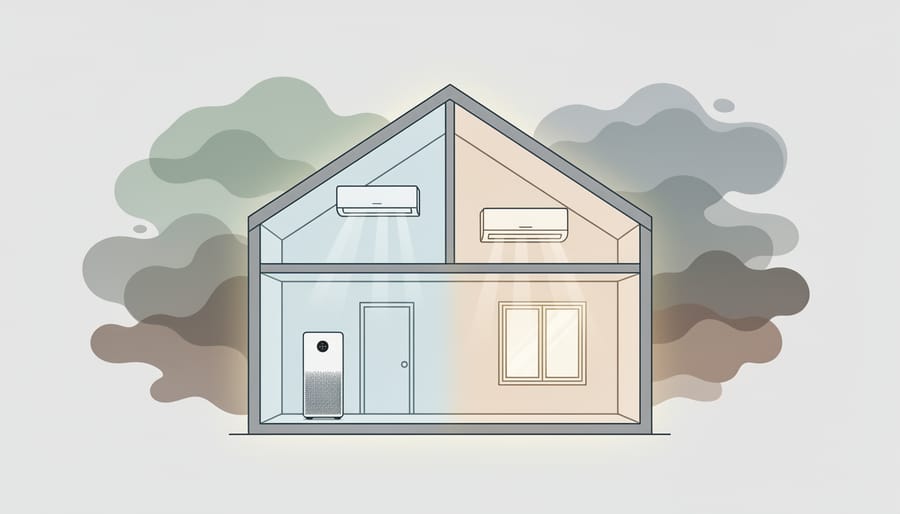
When the Air Quality Health Index climbs into the yellow (4-6) or higher ranges, a few straightforward adjustments can protect your health without derailing your day. Start indoors: keep windows and doors closed during smoky periods, and if you have air conditioning, use the recirculate setting rather than drawing in outside air. A portable HEPA air purifier in bedrooms or main living areas makes a noticeable difference for filtering fine particulate matter.
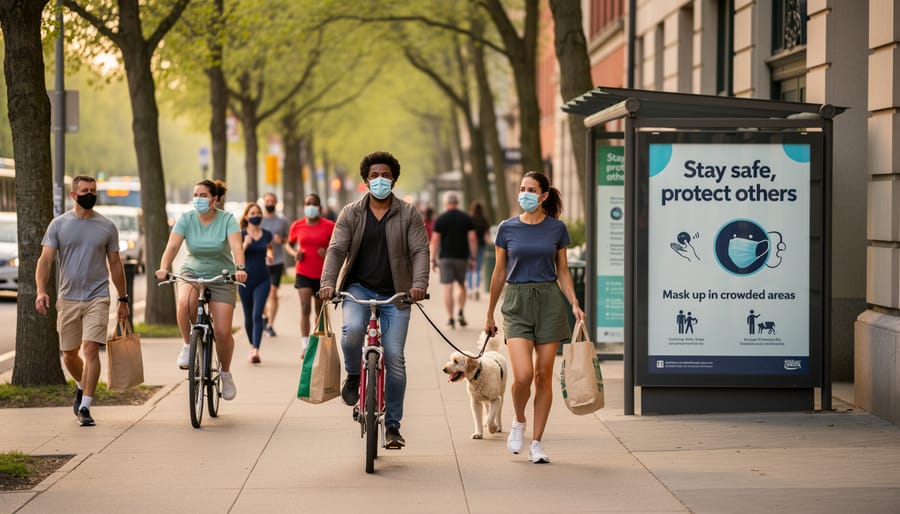
If you need to head outside, time matters. Air quality often improves in the evening or early morning, so shifting your walk or errands can reduce exposure. N95 or KN95 masks offer real protection against wildfire smoke particles when properly fitted, though they’re less necessary for brief trips at moderate levels. Watch for symptoms like scratchy throat, coughing, burning eyes, or unusual shortness of breath, they’re signals to head back inside and rest.
Children, seniors, pregnant women, and anyone with existing respiratory or heart conditions face higher risks during poor air quality episodes. That doesn’t mean panic; it means being strategic. Swap the long hike for indoor activities, postpone intense outdoor workouts, and stay safe outdoors by listening to your body and checking the AQHI before heading out.
Making air quality checks part of your summer routine isn’t about being paranoid, it’s about being prepared. A quick glance at the AQHI before you head out for a hike or plan a day on Lake Windermere takes less than a minute but can make a real difference in how you feel and how much you enjoy your time outdoors.
Whether you’re a long-time Invermere resident or just visiting the Columbia Valley this season, staying informed means you’re in control. You’ll know when to push that mountain bike ride to another day, when the kids should play inside, and when conditions are perfect for everything you love about this region.
We’d love to hear how you’re staying on top of air quality this summer. What’s working for you? Any tips for keeping tabs on conditions when you’re out exploring? Drop your thoughts in the comments below. And don’t forget to tune in to your local southern Alberta radio for the latest air quality updates and conditions across the region, real-time information when you need it most.