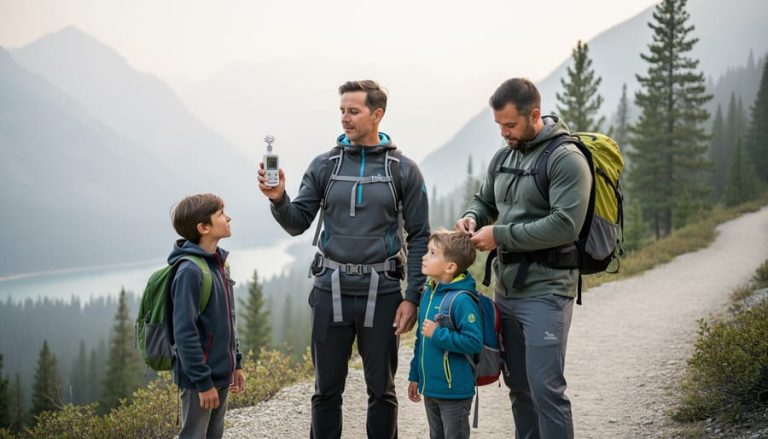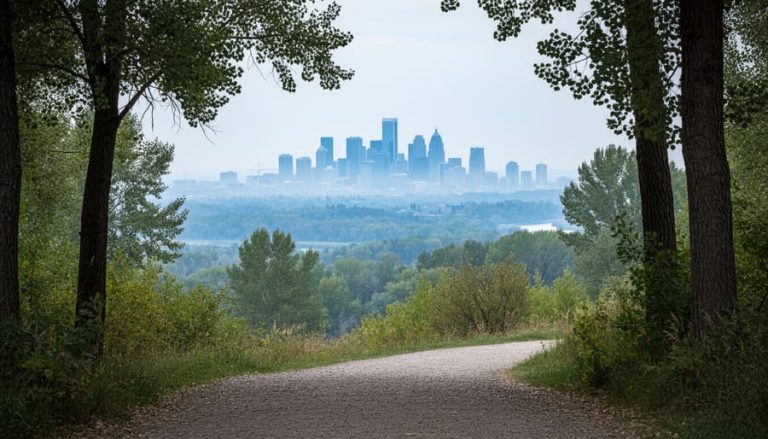
Lake Louise is currently under a yellow air quality warning due to smoke affecting Banff National Park, and visitors need to know what that means for their plans. Environment Canada issued the alert Tuesday afternoon, August 11, 2026, at 3:56 PM MDT, warning that smoke is reducing visibility and creating health risks for anyone spending time outdoors at this iconic mountain destination.
If you’re planning a trip from Calgary or already on your way, here’s what you need to understand: the air quality is safe enough that the park remains open, but you should limit your time outside and consider cutting back on strenuous activities like hiking, paddling, or trail running. The yellow warning sits in the middle of the scale, meaning conditions are manageable for most people but can worsen quickly if smoke levels increase.
Most visitors will experience mild symptoms like eye irritation, a scratchy throat, headaches, or a light cough. Those are common and generally clear up once you head indoors or leave the area. More serious signs like wheezing, chest pain, or a severe cough are less typical but signal you should seek shelter and possibly medical attention.
The key question for southern Alberta travelers isn’t whether Lake Louise is completely off-limits right now, it’s whether you’re comfortable adjusting your outdoor plans and monitoring conditions throughout your visit. Smoke events can shift hour by hour, so staying informed and flexible is your best strategy for a safe trip.
What Changed: Air Quality Alert Details
On Tuesday, August 11, 2026, at 3:56 PM MDT, Environment Canada triggered a Yellow Air Quality Alert issued for Banff National Park near Lake Louise. This marks a significant shift from normal conditions at one of southern Alberta’s most visited mountain destinations.
The yellow warning sits in the middle tier of Environment Canada’s air quality alert system, indicating conditions that warrant attention but aren’t at the most severe level. The primary culprit is smoke, which is causing poor air quality across the Lake Louise area and significantly reducing visibility for visitors who come to photograph the turquoise waters and mountain vistas.
Environment Canada monitors atmospheric conditions throughout Banff National Park as part of its national air quality surveillance network. The agency issues these alerts when pollutant levels reach thresholds that could affect human health, particularly for people spending extended time outdoors. For Lake Louise, where hiking trails, canoe rentals, and lakeside activities draw thousands of visitors during August, this smoke hazard creates a notable disruption to typical summer conditions.
The reduced visibility affects not just health but the entire visitor experience, from distant mountain views to close-up photography of the iconic Fairmont Chateau Lake Louise.
Key Developments
1. Smoke Conditions Creating Poor Air Quality and Reduced Visibility
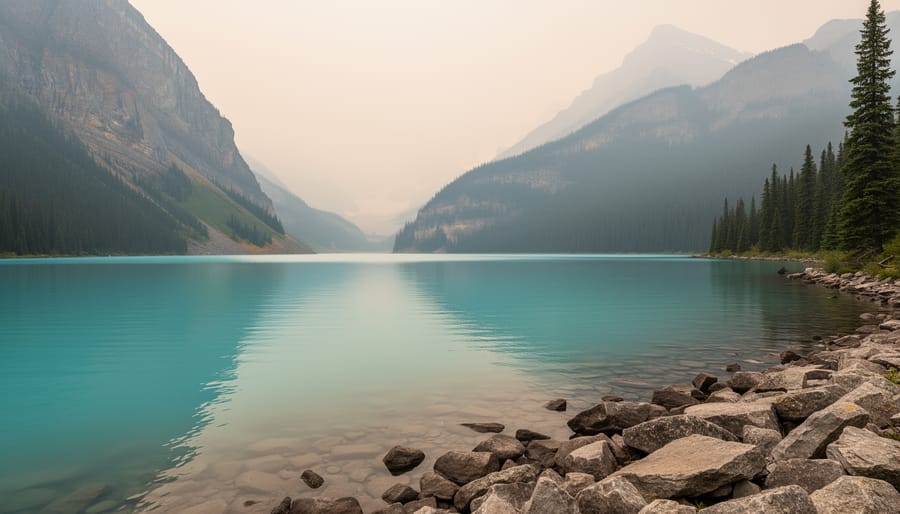
Smoke has settled over Lake Louise, creating hazy conditions that are transforming the normally pristine mountain views visitors expect. The atmospheric hazard is more than just an inconvenience. Smoke causes reduced visibility, which means those iconic turquoise lake photos and distant glacier vistas are currently obscured by a grey pall.
What’s happening is straightforward: smoke particles are suspended in the air column above the valley, scattering light and blocking clear sightlines. For photographers planning that perfect Lake Louise shot, this means washed-out backgrounds and muted colours. For hikers on trails like the Lake Agnes Tea House route, it means you won’t see the surrounding peaks clearly, and the air itself has a distinct smoky smell.
The atmospheric conditions creating this hazard stem from smoke drifting into the Banff area, where it’s trapped by the surrounding mountain terrain. Unlike a passing weather front that clears quickly, smoke can linger in mountain valleys for extended periods, especially when winds are light. This isn’t just about aesthetics, the same particles reducing visibility are what you’re breathing, which is why Environment Canada issued the yellow warning for this specific location.
2. Health Symptoms and Risk Levels for Visitors
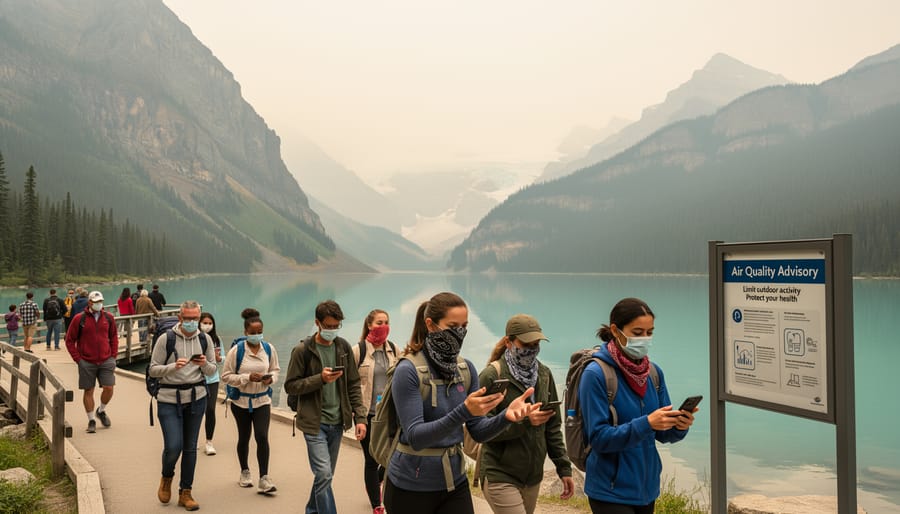
If you’re planning a trip to Lake Louise this week, you should know what to expect health-wise when smoke settles into the valley. The symptoms vary quite a bit depending on how sensitive you are and how long you spend outside.
Most visitors will notice mild effects that, while annoying, don’t typically force you to cancel your plans. Possible irritation symptoms include your eyes feeling scratchy or watery, a tickle in your throat, a stuffy nose, or a headache that wasn’t there when you left Calgary. You might develop a light cough, especially if you’re hiking or doing anything that gets you breathing harder. These symptoms usually ease up once you head indoors or move to an area with clearer air.
Watch for these signs during smoky conditions:
- Eye, nose and throat irritation with watery eyes or scratchy feeling
- Headaches that develop or worsen outdoors
- Mild cough, particularly during physical activity
- Wheezing or difficulty breathing (less common but more serious)
- Chest tightness or chest pains (seek medical attention)
- Severe persistent cough (less common, requires medical assessment)
The more serious symptoms, wheezing, chest pains, or a severe cough, are less common but shouldn’t be ignored. If you or someone in your group experiences these, it’s time to get inside and consider whether you need medical help. Risk increases with smoke levels, so what feels manageable at 9 AM might become genuinely uncomfortable by mid-afternoon if conditions worsen. People with asthma, heart conditions, or respiratory issues face higher risk and should be extra cautious about outdoor time.
3. Official Visitor Safety Guidance from Environment Canada
Environment Canada’s official guidance aims to help visitors make smart decisions about outdoor activities during periods of poor air quality. The agency recommends limiting time outdoors when smoke is present and considering whether to reduce or reschedule outdoor sports, activities, and events. This doesn’t mean Lake Louise is off-limits, but it does mean you should adjust your plans based on current conditions and how you’re feeling.
For Calgary travelers who’ve planned a Lake Louise trip this week, this guidance means being flexible. That full-day hike to the Plain of Six Glaciers might be better postponed or shortened to a quick visit to the lakeshore instead. Outdoor photography sessions, canoe rentals, and scenic drives are still possible, but you’ll want to keep them shorter than usual and pay attention to how you’re feeling. If you notice eye irritation, headaches, or a cough developing, head indoors or back to your vehicle. Families with young children or anyone with respiratory conditions should be especially cautious about extended outdoor exposure.
The key is adjusting your Lake Louise experience rather than canceling it outright, unless conditions worsen significantly or you’re in a high-risk group.
Why It Matters to Calgary Travelers
Lake Louise sits less than two hours west of Calgary, making it one of the most accessible mountain escapes for southern Albertans looking to trade city streets for alpine trails. That proximity means thousands of Calgary families have August trips planned right now, long weekends built around hiking the Plain of Six Glaciers, paddling the turquoise lake, or simply soaking in those iconic mountain views. With the Calgary cost of living squeezing vacation budgets tighter, many locals save all year for these precious mountain days. A yellow air quality warning throws those carefully planned getaways into question.
Smoke doesn’t just create hazy skies. It transforms your entire Lake Louise experience. That crisp mountain air you’re craving? Replaced by irritating smoke that makes each breath feel gritty. The Instagram-worthy turquoise water framed by Victoria Glacier? Obscured by a grey veil that kills both the vista and your photos. Even moderate smoke makes hiking feel harder, turning what should be an energizing trail into a workout that leaves you wheezing. Families with young kids or elderly relatives face tougher calls, is it worth exposing vulnerable lungs to conditions that could trigger coughing, headaches, or worse?
The timing matters too. August represents peak vacation season, when trails are dry, weather is warmest, and school schedules haven’t kicked in yet. Checking Environment Canada’s updates before you leave Calgary isn’t just smart, it’s essential for making the most of your mountain time.
What to Watch: Monitoring Conditions and Planning Your Visit
Before you head to Lake Louise, check Environment Canada’s website or their WeatherCan app for the latest air quality alerts and smoke forecasts. These sources provide real-time weather data and air quality updates that can change throughout the day. The Air Quality Health Index (AQHI) ratings range from low risk (1-3) to very high risk (10+), helping you understand current conditions at a glance.
Watch for shifts in wind patterns and visibility reports, which signal whether smoke is clearing or intensifying. If visibility improves noticeably and Environment Canada downgrades or lifts the yellow warning, outdoor conditions are becoming safer. Conversely, if the AQHI climbs or you notice thicker haze, smoke levels are worsening and health risks increase.
How do I check current air quality at Lake Louise?
Visit Environment Canada’s website or download the WeatherCan app for up-to-date air quality alerts, AQHI ratings, and smoke forecasts specific to Banff National Park near Lake Louise.
Can I still visit Lake Louise during a yellow warning?
Yes, but limit your time outdoors and monitor how you feel. If you experience eye irritation, headaches, or coughing, head indoors and consider cutting your visit short.
When should I reschedule my Lake Louise trip?
Postpone if the AQHI reaches high or very high risk levels, if you have respiratory conditions, or if visibility is so poor that iconic views are obscured. Wait for Environment Canada to downgrade or lift the alert before rescheduling.
What should I bring if I go despite the smoke?
Pack masks rated for particulate matter (N95 or similar), plenty of water, eye drops for irritation, and any necessary inhalers or medications. Keep indoor backup plans ready in case you need to retreat quickly.
If you’re prone to respiratory issues or traveling with young children, err on the side of caution and postpone until conditions improve. Similar to monitoring Edmonton air quality during smoke events, staying flexible with your plans protects your health while ensuring you actually enjoy the scenery when you arrive. Check conditions the morning of your trip and again before you leave Calgary, smoke can move quickly, and what looks clear at dawn may change by afternoon.
The yellow warning for Lake Louise remains active as of Tuesday evening, and conditions at this popular mountain destination can shift quickly. While the current smoke hazard is creating reduced visibility and health concerns for visitors, Environment Canada continues monitoring the situation and will update alerts as air quality changes.
Before you pack the car for a Lake Louise trip, take two minutes to check the latest conditions. Environment Canada’s air quality alerts provide the most current information, and a quick look at their updates can save you from driving two hours into poor visibility or worsening smoke levels. Conditions that look manageable in the morning might deteriorate by afternoon, or they could clear faster than expected. Your safety and enjoyment depend on having the latest information, not yesterday’s forecast.
We want to hear from you. If you’ve recently visited Lake Louise during this air quality event, or if you’re adjusting your travel plans because of the smoke, share your experience with our Calgary Now radio presenters. Your firsthand observations help the community make better decisions, and your questions about navigating outdoor plans during air quality alerts matter to other southern Albertans facing the same choices.
Check before you go, stay flexible with your timing, and remember that the mountains will still be there when the air clears.