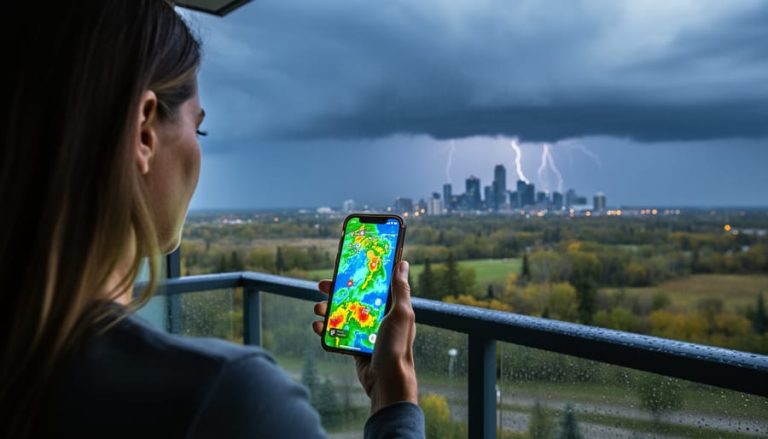
Harrison Hot Springs is reporting an Air Quality Index of 67 today, placing conditions in the moderate range with no health advisories in effect for the BC resort community. For Calgary visitors planning a getaway to the popular thermal destination, this means outdoor activities and hot springs soaking can proceed as usual, though anyone with respiratory sensitivities should monitor how they feel during extended time outside.
The current reading reflects typical fall conditions in the Fraser Valley, where Harrison Hot Springs sits about 130 kilometres east of Vancouver. With temperatures hovering around 17 to 20 degrees Celsius, the combination of mild weather and acceptable air quality makes this an opportune window for southern Albertans looking to escape before winter settles in. The AQI scale runs from 0 to 500, with readings below 50 considered good and 51 to 100 falling into the moderate category where most people can enjoy normal outdoor activities without concern.
For those unfamiliar with how British Columbia reports air quality compared to Alberta’s system, the key difference lies in the scale itself, but the practical takeaway remains the same: today’s conditions pose minimal risk for the general population. Whether you’re already checked into a lakeside resort or finalizing travel plans from Calgary, understanding these readings helps you make informed decisions about hiking the nearby trails, enjoying the public mineral pools, or simply strolling the village waterfront.
What Changed: Current Air Quality Reading for Harrison Hot Springs
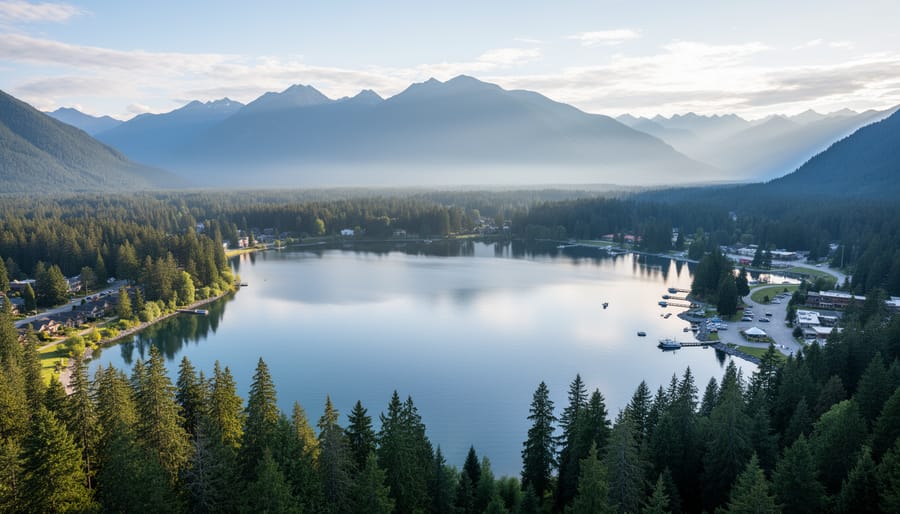
As of today, Harrison Hot Springs is recording an Air Quality Index reading of 67, placing conditions firmly in the moderate range. The AQI forecast shows 67 alongside current temperatures of 20° and 17°, reflecting typical fall weather for this Fraser Valley destination. Most importantly for Calgary residents planning getaways to the resort, there are no active health advisories in effect for the area.
That AQI of 67 represents your baseline for planning. It’s not pristine air, but it’s far from concerning for the average traveller. The moderate classification means you won’t need to cancel outdoor plans or worry about basic resort activities. If you’re driving from Calgary with kids eager to explore the lakefront or hit the trails, today’s reading shouldn’t change your itinerary.
The absence of advisories confirms what the numbers suggest. British Columbia’s air quality monitoring system issues alerts when conditions warrant caution, and Harrison Hot Springs currently has none posted. That’s your green light for most activities, though anyone with asthma or respiratory sensitivities should still monitor how they feel, especially during vigorous outdoor exercise.
These readings give you a snapshot, not a guarantee for your entire trip. Air quality shifts with weather patterns, wildfires, and seasonal factors specific to the Fraser Valley’s geography.
Key Developments in Harrison Hot Springs Air Quality
1. Moderate Air Quality Conditions Present Today

An AQI of 67 places Harrison Hot Springs in the moderate category, which means air quality is acceptable for most people. If you’re planning outdoor activities at the resort, swimming in the hot springs pools, hiking the trails around the lake, or strolling through the village, you can go ahead with your plans without major concerns.
For the vast majority of Calgary visitors, this reading presents no health risk. You can enjoy your time at Harrison Hot Springs as you normally would. The moderate classification indicates that pollution levels are present but not high enough to affect healthy adults and teens.
However, if you have asthma, COPD, or other respiratory conditions, you’ll want to pay attention to how you feel during extended outdoor activities. People with heart or lung disease, children, and older adults fall into the sensitive groups who might experience minor irritation during prolonged exertion. This doesn’t mean you need to cancel your plans, it just means being mindful of your body’s signals.
Think of it this way: a moderate AQI is similar to a yellow caution light. Most activities remain safe, but if you’re in a sensitive group, consider taking breaks during strenuous activities like hiking Sasquatch Mountain or limit the duration of your outdoor time. Indoor activities at the resort, like enjoying the indoor pools or spa treatments, remain completely unaffected by outdoor air quality levels.
2. No Active Health Advisories Currently in Effect
With zero active health advisories in effect for Harrison Hot Springs right now, Calgary travellers can move forward with their trip plans without needing to factor in air quality warnings. This absence of alerts tells you that current conditions don’t warrant official cautions from health authorities, which is exactly what you want to see when booking your getaway to the BC resort.
No advisories means you won’t face restrictions on outdoor activities at the hot springs pools, hiking trails around the area, or lakeside recreation. Families with young children and visitors with respiratory sensitivities can proceed with normal vacation plans rather than adjusting itineraries or staying indoors.
The contrast becomes clear when you consider periods when advisories are issued. During wildfire season or temperature inversions that trap pollutants in the Fraser Valley, health officials may warn sensitive groups to reduce outdoor exertion or recommend everyone limit time outside. Those alerts change how you’d structure your days, perhaps shortening hikes, avoiding peak sun hours, or choosing indoor attractions over outdoor ones.
Right now, though, you’re looking at straightforward conditions. The moderate AQI reading paired with zero active warnings gives you the green light to enjoy Harrison Hot Springs as you’d normally plan it, without needing contingency options for poor air quality days.
3. Seasonal Air Quality Patterns in the Fraser Valley Region
Harrison Hot Springs sits in the Fraser Valley, where geography plays a starring role in air quality patterns throughout the year. The valley’s bowl-like shape traps air between coastal mountains and the Cascades, meaning pollutants and weather systems tend to linger longer than they would in open terrain.
Summer brings wildfire season, typically July through September, when smoke from BC Interior and Washington State fires can drift into the valley and push AQI readings well above today’s moderate 67. These periods represent the highest-risk time for respiratory impacts, especially for Calgary visitors not accustomed to smoke conditions.
Winter months present a different challenge. Cold air inversions trap vehicle emissions and wood smoke near ground level, creating stubborn pockets of poor air quality that can persist for days. The Fraser Valley experiences some of BC’s worst winter inversions, particularly during calm, cold weather.
Spring and fall generally offer the cleanest air, with Pacific weather systems moving through more frequently to clear the valley. Rain acts as nature’s air scrubber, washing particulates from the atmosphere, one reason wet November days often show better readings than sunny August afternoons.
Wind patterns matter too. Westerly winds from the coast bring fresh marine air, while easterly winds can carry smoke or stagnant air from the Interior, creating hour-to-hour variability that static daily forecasts don’t always capture.
Why This Matters for Calgary Travellers
For Calgary residents, Harrison Hot Springs represents more than just a getaway, it’s a beloved escape that draws thousands of southern Albertans each year to its natural hot pools and mountain setting. Understanding air quality before you make the four-hour drive matters because the conditions can directly affect how much you enjoy outdoor activities that make the resort worth visiting in the first place.
Today’s moderate reading of AQI 67 sits in a range familiar to anyone who checks what AQHI means for Calgary’s own air quality. However, the Fraser Valley’s geography creates unique patterns that differ from our prairies, and what looks acceptable on paper can feel different when you’re hiking trails or spending extended time poolside with kids. Families with young children and anyone managing asthma or respiratory conditions should pay closer attention to these numbers, since moderate air quality can trigger symptoms in sensitive groups even when the general population isn’t affected.
- Travel timing: Plan outdoor activities for early morning when air quality typically improves
- Health precautions: Pack inhalers and medications if you have respiratory conditions
- Outdoor activity planning: Consider indoor resort amenities during afternoon peaks
- Comparison to home: Fraser Valley readings often differ from Calgary’s clearer mountain air
The resort’s popularity among Alberta visitors means many families book trips months ahead, but air quality can shift quickly due to wildfires, weather inversions, or seasonal patterns. Checking conditions the week before departure gives you time to adjust plans, rescheduling hikes, choosing indoor activities, or preparing health precautions, rather than discovering poor air quality after you’ve already committed to the trip and paid for accommodations.

Understanding Air Quality Index Readings
The Air Quality Index uses a colour-coded scale from 0 to 500, with lower numbers meaning cleaner air. Here’s what each category means for your health and outdoor plans.
Good air quality (0-50) shows up in green and means air pollution poses little or no risk. You can go about your usual activities without concern. Moderate (51-100) appears in yellow, this is where Harrison Hot Springs sits today at 67. Most people can still enjoy outdoor activities normally, but unusually sensitive individuals might notice minor irritation during extended, strenuous exercise outdoors.
When readings climb into the Unhealthy for Sensitive Groups range (101-150), shown in orange, children, seniors, and people with asthma or heart conditions should reduce prolonged outdoor exertion. The scale continues upward through Unhealthy (151-200), Very Unhealthy (201-300), and Hazardous (301+), but these levels are rare in BC’s Fraser Valley.
Today’s reading of 67 falls comfortably in the moderate zone, meaning the vast majority of visitors can enjoy the resort’s hot springs, hiking trails, and lakefront activities without health concerns. The same air quality tools you’d use at home work for checking destination conditions before you pack the car.
What to Watch: Monitoring Air Quality Before Your Trip
Before you pack for Harrison Hot Springs, bookmark a few reliable monitoring tools that’ll give you the real-time picture. The Weather Network maintains current readings for Harrison Hot Springs specifically, and you’ll want to check it the morning you leave Calgary, air quality can shift within hours, especially during wildfire season or when weather patterns change. Environment Canada also provides regional readings for the Fraser Valley that cover the resort area.
How often do air quality readings change?
Readings update hourly, though conditions can shift noticeably within a few hours when weather systems move through or smoke drifts into the valley. Check at least twice on your travel day for the most accurate picture.
When should I check before travelling from Calgary?
Look at the forecast three days before departure to spot trends, then check again the night before and morning of your trip. This pattern helps you distinguish temporary spikes from sustained poor conditions.
What AQI level should make me reconsider outdoor plans?
Above 100 moves into unhealthy territory for sensitive groups, and anything over 150 affects most people. At those levels, consider indoor resort activities instead of hiking or hot springs soaking.
Where can I find real-time updates while at the resort?
Both The Weather Network mobile app and Environment Canada’s site work from your phone, giving you current readings without hunting for a desktop computer during your stay.
Watch for sudden jumps of 20 points or more in the AQI, which signal changing conditions that could affect your plans. If you’re travelling with kids, elderly family members, or anyone with asthma or heart conditions, set your threshold lower, consider alternative activities when readings climb above 75. The Fraser Valley’s geography can trap smoke and pollutants, so what looks clear in the morning might deteriorate by afternoon. Checking twice daily during your stay keeps you ahead of those shifts and helps you make smart choices about when to hit the trails or stick closer to indoor amenities.
Today’s moderate air quality reading of 67 shows Harrison Hot Springs remains a welcoming destination for Calgary travellers, with no health advisories limiting outdoor activities at the resort. Before you pack your bags for your next BC getaway, take a moment to check current conditions, air quality can shift quickly in the Fraser Valley, and staying informed helps you make the best decisions for your family’s health and vacation plans.
Have you noticed air quality affecting your trips to Harrison Hot Springs or other BC destinations? We’d love to hear about your experiences in the comments below. At Calgary Now, we’re committed to keeping southern Albertans informed about the regional conditions that matter to your travel plans, from weekend escapes to extended holidays. Safe travels, and enjoy those hot springs!