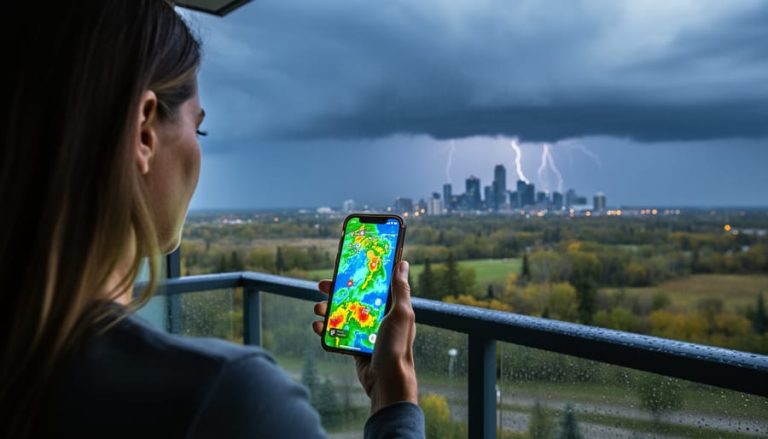
Checking Calgary’s air quality forecast takes about two minutes and requires nothing more than a web browser or smartphone. Visit the city’s Air Quality Health Index (AQHI) page, where you’ll find current conditions and forecast maximums updated daily at 5:00 PM MDT, showing predicted air quality levels for the next 72 hours across four periods: tonight, tomorrow, tomorrow night, and the day after.
Right now, southern Alberta is seeing Low Risk air quality, meaning ideal conditions for everyone to enjoy outdoor activities. But that can change quickly during wildfire season, high-traffic periods, or weather inversions that trap pollutants close to the ground.
The AQHI scale runs from 1 to 10+, broken into four risk categories. Low Risk (1-3) means the general population can head outside without concern, and even people with asthma, heart conditions, or other sensitivities can stick to their usual routines. Moderate Risk (4-6) signals a shift: sensitive groups should consider reducing intense outdoor exercise. High Risk (7-10) and Very High Risk (10+) call for more serious adjustments, particularly if you’re managing a respiratory or cardiovascular condition.
Understanding these numbers before you lace up your running shoes, pack the kids for the park, or plan a construction shift outdoors helps you make smarter decisions about timing and intensity. The forecast isn’t just a number. It’s a planning tool that protects your health and keeps your day on track.
What You’ll Need to Check Calgary’s AQHI Forecast
Checking Calgary’s air quality forecast requires almost nothing beyond what you already have. The setup is straightforward: any internet-connected device, smartphone, laptop, or tablet, gives you instant access. You’ll need a web browser or, if you prefer, the AQHI mobile app for quicker lookups on the go.
Here’s what you need:
- Internet-connected device (phone, computer, or tablet)
- Web browser or AQHI app
- Basic familiarity with the 1-10+ AQHI scale
The national AQHI site, part of local AQHI conditions and forecasts provided by Environment Canada, hosts Calgary-specific pages showing current observed conditions, forecast maximums for the next 72 hours, and nearby air monitoring station locations. Understanding the scale’s four risk categories, Low (1-3), Moderate (4-6), High (7-10), and Very High (10+), helps you interpret what those numbers mean for your outdoor plans. These Environment Canada tools are free, updated daily at 5:00 PM MDT, and accessible without creating an account or downloading special software.
Understanding Health Risks and When to Check

Certain groups face higher health risks from poor air quality and should pay closer attention to AQHI forecasts. People with respiratory conditions like asthma or COPD, those with heart disease, young children, and older adults are particularly vulnerable to air pollutants. Even at moderate levels, these individuals may experience worsened symptoms, breathing difficulties, or cardiovascular strain that healthy adults might not notice.
Timing matters when checking forecasts. Wildfire season in southern Alberta typically brings the greatest air quality challenges, with smoke drifting across the region and causing sudden spikes in pollution levels. Morning and evening rush hours also see temporary increases in vehicle emissions, especially near major roads. If you’re planning outdoor exercise, sports events, or extended time outside with kids, a quick AQHI check helps you choose safer times or adjust intensity levels.
But don’t assume you’re off the hook if you’re healthy. Prolonged exposure to elevated pollution affects everyone’s lungs and cardiovascular system over time. Regular runners, cyclists, and outdoor workers benefit from awareness too, pushing hard during a High Risk day stresses your body more than the same workout on a Low Risk day. Making AQHI checks part of your routine protects your long-term health, not just immediate comfort.
Step-by-Step: Checking Your Calgary Air Quality Forecast
Accessing Calgary’s AQHI Page
The fastest way to check Calgary’s air quality is to go directly to the city’s AQHI page on the national Air Quality Health Index website. Open your web browser and search for “Calgary AQHI” or “Calgary air quality health index”, the official government page typically appears as the top result. You can also navigate through by selecting air quality resources and choosing Calgary from the location menu.
If you use the AQHI regularly, bookmark Calgary’s specific forecast page for instant access. The URL stays consistent, so you can save it to your phone’s home screen or browser favorites. This cuts out the search step entirely when you’re checking conditions before a morning jog or planning an afternoon at the park.
The page loads quickly on any device and doesn’t require an account or login. You’ll land directly on Calgary’s data, showing both current observations and upcoming forecasts in one view.
Reading the Forecast Maximums
The forecast maximums show you what air quality is expected to peak at during upcoming periods. These forecasts are updated daily with forecast maximums issued at 5 PM MDT, giving you a heads-up for planning tomorrow and the day after.
On Calgary’s AQHI page, you’ll see a simple table breaking down the next two days and nights that’s 72 hours total. Each row shows a time period (like “Monday night” or “Tuesday”) alongside its predicted AQHI number. For example, the current forecast displays Monday night at 3, Tuesday at 3, Tuesday night at 3, and Wednesday at 3, all falling into the Low Risk category.
These numbers tell you the highest AQHI level expected during each period, not an average. A forecast of 3 means conditions won’t climb above Low Risk, so you’re good to go for outdoor plans. Understanding what AQHI numbers mean helps you decide whether to adjust your plans or carry on as usual.
Understanding Current Observed Conditions
When you land on Calgary’s AQHI page, you’ll see two distinct types of information that can easily get mixed up. The “Current Observed Conditions” section shows what’s happening right now, the actual air quality reading from monitoring stations across the city at this moment. This number updates in real time as conditions change throughout the day.
In contrast, the “Forecast Maximums” section (which we covered in the previous step) predicts what air quality will be like over the next 72 hours. Those forecasts are issued once daily at 5:00 PM MDT and show expected peak levels for upcoming day and night periods.
Here’s the key difference: if current observed conditions show 2 but the forecast maximum for today says 5, the air quality is expected to worsen later. Always check both to understand where you are now and where conditions are headed before you commit to outdoor plans.
Decoding the AQHI Scale and Health Messages
The AQHI scale runs from 1 to 10+, dividing air quality into four risk categories that tell you exactly what’s safe and what’s not.
Low Risk (1-3) means you’ve got ideal conditions for outdoor activities. Whether you’re planning a morning jog along the Bow River or taking the kids to the park, air quality won’t hold you back. Even people with respiratory conditions, heart disease, or other sensitivities can enjoy their usual outdoor activities without worry. These are the days to make the most of being outside.
Moderate Risk (4-6) is where you start paying attention if you’re at-risk. The general population can still do normal outdoor activities, but people with asthma, COPD, heart conditions, children, and older adults should consider reducing strenuous outdoor exercise. A brisk walk is fine, but maybe save the intense training run for another day.
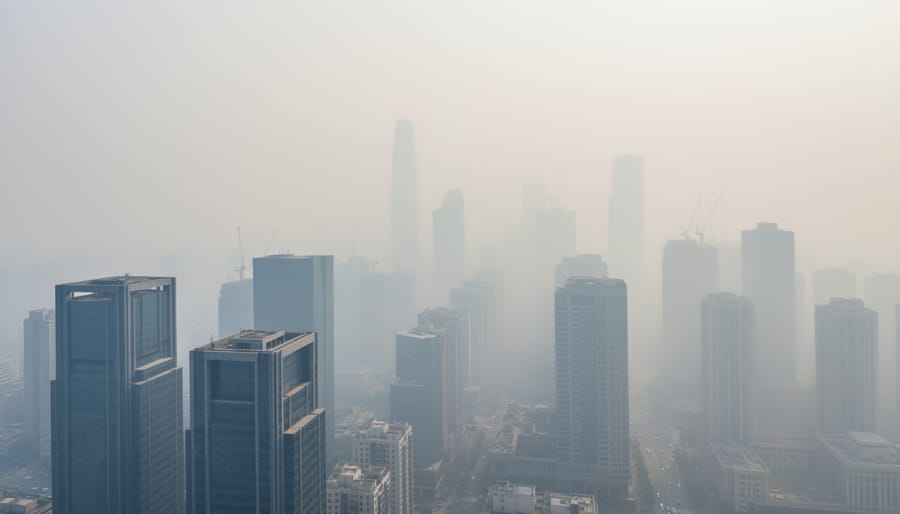
High Risk (7-10) flips the script. At-risk individuals should reduce or reschedule outdoor activities, especially intense exercise. The general population should also dial back strenuous efforts outdoors. This is when wildfire smoke or pollution events are actively affecting Calgary’s air. Checking real-time smoke maps can help you see whether conditions might improve later in the day.
Very High Risk (10+) means everyone should avoid or reschedule strenuous activities outdoors. At-risk people need to reduce all outdoor physical activity. These readings are rare in Calgary but do occur during severe wildfire events. When you see double digits, indoor activities are your best choice.
Each level on the AQHI page includes specific health messages tailored to general population and at-risk groups. Read both, especially if you’re planning activities with children, elderly family members, or anyone managing a chronic condition. The guidance isn’t just caution for caution’s sake, it’s based on measurable health impacts at each pollution level.
What to Do After Checking Your Forecast

Once you’ve reviewed the Calgary AQHI forecast, take a moment to confirm you’re reading it correctly. The observed conditions show real-time air quality right now, while the forecast maximums predict the highest AQHI levels expected for upcoming day and night periods. If today’s observed reading sits at 2 and tomorrow’s forecast shows 3, you’re seeing consistent Low Risk conditions, exactly what the current August 31 forecast displays for Calgary through Wednesday.
- Compare the observed conditions to the forecast period covering the current time to verify accuracy
- Check back daily after 5 PM MDT when AQHI forecasts update at 5 PM for the next 72-hour outlook
- Adjust outdoor plans if the forecast shows Moderate Risk or higher, especially during peak hours
- Use the air monitoring station locations on the AQHI site to find hyper-local readings if you’re in a specific Calgary neighbourhood
- Consult your doctor or Alberta Health Services if you experience unusual symptoms during poor air quality days
For Low Risk forecasts like Calgary’s current conditions, you can confidently proceed with outdoor activities without modification. When forecasts climb to Moderate Risk or higher, consider rescheduling strenuous exercise to early morning hours when air quality typically improves, or moving activities indoors. At-risk individuals should pay closer attention to how they feel during outdoor time and keep quick-relief medications accessible even on Low Risk days. The monitoring station data helps you understand neighbourhood variations, air quality near major roadways or industrial areas can differ from the city-wide forecast, giving you neighbourhood-specific insight for your exact location.
Common Questions About Calgary’s Air Quality Forecast
How accurate are AQHI forecasts?
Calgary’s AQHI forecasts are generally reliable for the next 24 to 48 hours, though accuracy decreases slightly for the third day. Sudden events like wildfires or unexpected weather shifts can alter conditions quickly, so checking the updated forecast each evening gives you the most current prediction.
How far ahead can I see forecasts?
The forecast maximums show the next 72 hours, covering two full days and nights plus the current period. Since forecasts update daily at 5:00 PM MDT, you’ll always see at least two days ahead when you check.
What causes air quality to change?
Weather patterns, wind direction, temperature inversions, traffic volume, and wildfire smoke all influence Calgary’s air quality. Summer wildfires from British Columbia or elsewhere in Alberta can dramatically shift conditions within hours, while winter inversions can trap vehicle emissions close to the ground.
Do I need to check every day?
If you’re healthy and not planning extended outdoor activities, checking once or twice a week is usually fine. People with asthma, heart conditions, or other sensitivities benefit from daily checks, especially during wildfire season or when you notice hazy skies.
You might also wonder why air quality varies across Calgary. The city’s monitoring stations capture localized differences caused by traffic patterns, industrial areas, and geography. Downtown readings can differ from those in suburban neighbourhoods, particularly during rush hour or when wind carries emissions from specific directions. Checking the station closest to where you’ll be spending time gives you the most relevant information.
Air quality in southern Alberta typically worsens during wildfire season, which runs from spring through early fall. July and August often see the highest pollution levels when fires burn in British Columbia and smoke drifts east. Winter temperature inversions can also create poor air quality episodes, trapping emissions near the surface for days at a time.
Checking Calgary’s air quality forecast takes less than a minute and costs nothing, yet it helps you protect your health and make smarter decisions about outdoor time. Just like glancing at the weather before you leave home, pulling up the AQHI forecast can become a quick daily habit that pays off, especially during wildfire season or high pollution days.
The next time you notice haze over the Rockies or hear about air quality concerns across southern Alberta, you’ll know exactly where to look and how to interpret what you find. If you’ve got questions about air quality issues affecting our communities, or stories about how checking the AQHI has changed your outdoor plans, reach out to Calgary Now’s presenters. We’re always listening and ready to dig deeper into the topics that matter to you.