Is the National Weather Service radar actually down? Right now, the answer is mixed. Federal authorities said Tuesday that rumors of a nationwide radar outage were false, and the agency says its radar system is operating normally. Yet the NWS has also posted an official notice acknowledging a national radar outage, and it reported on Friday, November 13, that it was dealing with disruptions to its internet and communications systems. Those statements don’t line up neatly, and the agency hasn’t said what caused the trouble or how far it reached.
For southern Alberta, that’s worth keeping in perspective. The NWS is a U.S. agency, so its radar network covers American skies, not ours. Still, plenty of us follow U.S. forecasts for cross-border trips, and weather systems don’t stop at the 49th parallel.
Below, we sort out what changed and when, lay out the dated developments from official statements, and say plainly what remains unknown. Have you noticed anything odd with the forecasts you rely on? Tell us in the comments, or bring it up with us on the radio.
What Changed: A Radar Outage Report Meets Official Pushback
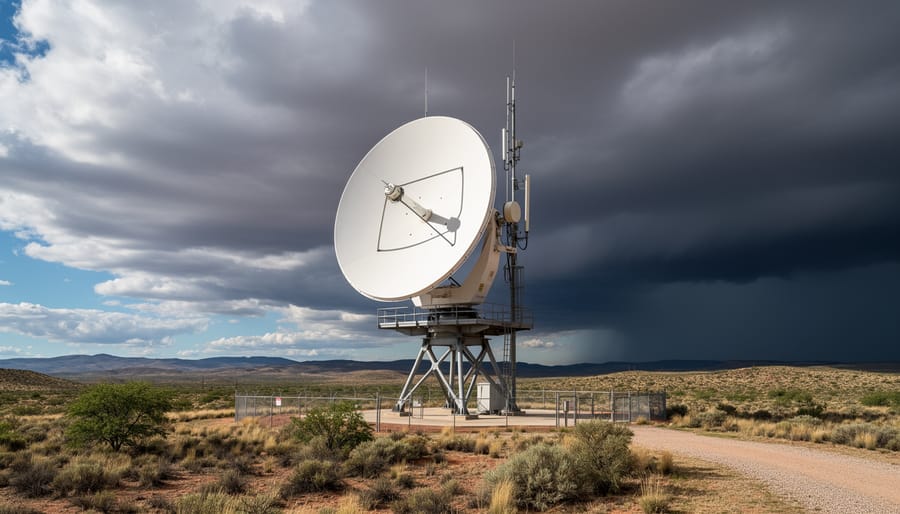
On Friday, November 13, 2026, at 2:32 PM, the U.S. National Weather Service reported that it was experiencing disruptions in its internet and communications systems. That was the starting point for a story that quickly became confusing. The outage was described as nationwide, and the agency posted an official notice acknowledging a national radar outage.
Then came the pushback. Federal authorities said rumours of a nationwide weather radar outage were false, and the National Weather Service said its radar system is operating normally. So the official record holds two things at once: a reported disruption to communications systems, and a statement that radar itself is working.
We’re sticking to what officials have actually said here. Nobody has confirmed what caused the disruption or how far it reached, so we won’t guess at either.
If you don’t follow weather closely, a quick refresher helps. Weather radar sends out signals that bounce off rain, snow, and hail, which lets forecasters see where precipitation is falling, how heavy it is, and which direction storms are moving. It’s the tool behind those colourful maps you check before heading out the door, and it’s especially handy when a system is rolling in fast. That’s why even a hint of a radar problem gets people’s attention.
Key Developments: Three Things Officials Have Actually Said
1. The NWS Reports Internet and Communications Disruptions
On Friday, November 13, 2026, the U.S. National Weather Service reported that it was dealing with disruptions to its internet and communications systems. That’s the confirmed part, and it’s worth keeping separate from everything else floating around online.
So what can a disruption like that mean in general? Weather data doesn’t just appear on your phone. It moves between forecast offices, instruments and public-facing websites, and that traffic depends on working internet and communications links. When those links hiccup, information can arrive late, or reach the public more slowly than usual. That’s a general explanation of how these systems fit together, not a claim that any of it happened this time.
What we don’t know yet is why the disruption occurred. No cause has been confirmed, so any explanation you see circulating is guesswork for now.
2. Federal Authorities Call Nationwide Outage Rumours False
Federal authorities have since pushed back on the idea of a full radar failure. They said rumours of a nationwide weather radar outage were false, and the National Weather Service said its NWS radar operating normally as stated in its response to the reports.
That sits right alongside the earlier word of disruption. The official record now holds two things at once: a reported disruption to internet and communications systems, and a denial that the radar network itself went down nationwide.
These two points don’t necessarily contradict each other. A communications problem and a radar failure are different things, though officials haven’t explained how, or whether, they’re connected. Neither the cause nor the impact has been confirmed. Until more is said, it’s fair to treat both statements as accurate and wait for clarity.
3. An Official Notice Acknowledges a Radar Outage, and a Planned Outage Is Scheduled
The National Weather Service has posted an official notice acknowledging a national radar outage, which sits uneasily next to its statement that its radar system is operating normally. Federal authorities have also called rumours of a nationwide outage false. So the official record is mixed.
It helps to separate two different things. An unplanned disruption happens without warning, and no cause has been confirmed here. Planned maintenance is scheduled in advance, and a separate planned outage on January 22 is listed. Nothing so far ties the two together.
Because sources describe the situation differently, don’t rely on a single headline or social media post. If you want the current status, check the National Weather Service’s own channels directly.
Why the Radar Outage Story Matters to Southern Alberta
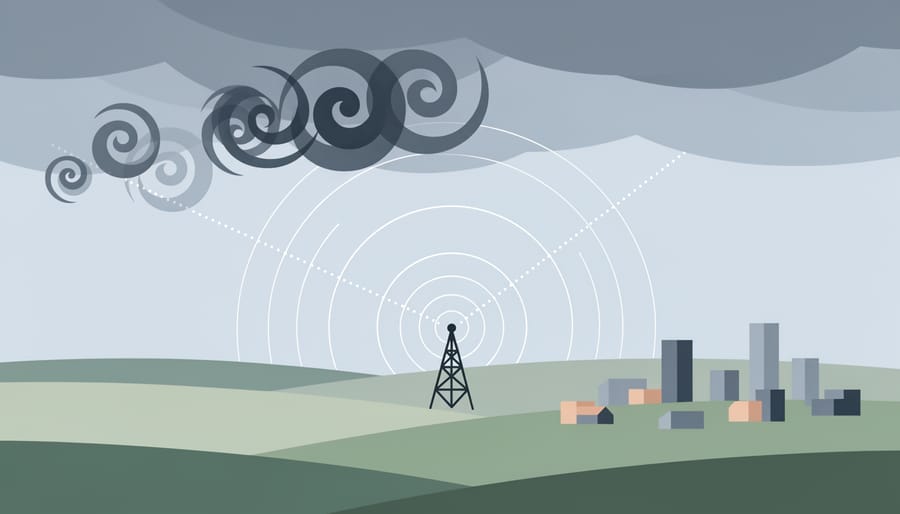
Weather doesn’t care about the border. Storm systems that form over Montana or the northern Plains regularly roll north into southern Alberta, and forecasters on both sides of the line draw on shared information to track them. That’s why a report about a National Weather Service radar outage can catch people’s attention here, even though it’s a U.S. agency.
It’s worth keeping the story in proportion, though. The NWS has said its radar system is operating normally, and federal authorities called rumours of a nationwide outage false. At the same time, the agency reported disruptions to its internet and communications systems on Friday, November 13, and its cause and impact haven’t been explained. So the honest answer is that we don’t yet know whether this touches Alberta at all.
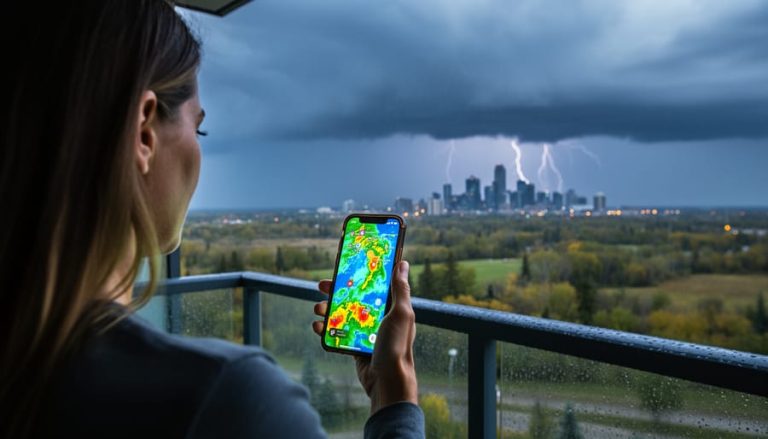
For conditions at home, Environment Canada and local radar remain your main sources. You can check Calgary live radar to see where precipitation is headed, and sign up for Environment Canada alerts so warnings reach you directly.
Confusing or conflicting reports spread fast online, and a screenshot or shared post can look more official than it is. That matters most for rural readers, who often depend on timely warnings and have fewer backup options. When something looks alarming, go to the source first.
What to Watch Next and Your Questions Answered
The biggest open question is whether the National Weather Service will explain what actually happened. So far, officials haven’t confirmed a cause or said how far the disruption reached. It’s worth watching for any follow-up notice, since the agency has already posted one acknowledging a national radar outage while also saying its radar system is operating normally. A planned service outage is also listed for January 22nd, which is separate from the November 13 disruptions and shouldn’t be confused with them.
Until more details come out, it helps to keep a few radar tools bookmarked so you can check conditions yourself.
Was there a nationwide radar outage?
The record looks mixed. The NWS reported internet and communications disruptions on Friday, November 13, and posted a notice acknowledging a national radar outage, but federal authorities called rumours of a nationwide outage false, and the agency says its radar is operating normally.
What caused the disruption?
That hasn’t been confirmed yet.
Is there a planned outage coming?
Yes, a planned service outage is listed for January 22nd.
Does this affect Alberta forecasts?
The impact isn’t known. For local alerts, Environment Canada remains your best source.
We’ll keep an eye on official channels, and the Calgary Now hosts will keep you posted on conditions closer to home.

So where does that leave us? The record shows reports of internet and communications disruptions at the U.S. National Weather Service on Friday, November 13, 2026, alongside official pushback saying its radar system is operating normally and that nationwide outage rumours were false. What caused the trouble, and how far it reached, still hasn’t been explained.
We’ll keep watching for updates. In the meantime, we’d love to hear from you: where do you get your weather updates these days? Share your go-to sources in the comments, and tune in to the Calgary Now radio hosts for the latest local conditions.